Concrete walkway paving Wimberley naturally requires meticulous preparation: cleaning, patching, and roughening for optimal bonding. Using organic materials and natural aggregates offers eco-friendly, durable solutions with aesthetic appeal. Final finishing techniques, like hand or power troweling, adapt to environmental conditions, ensuring a sleek, functional, and visually stunning surface.
Concrete sidewalk smoothing and finishing is a critical aspect of urban infrastructure, enhancing the aesthetic appeal and functionality of public spaces. However, maintaining concrete walkways can be challenging due to cracks, rough surfaces, and age-related deterioration. In Wimberley, naturally, where outdoor living and resilience against weather are paramount, proper concrete walkway paving becomes an essential investment. This article delves into the art and science of smoothing and finishing these pathways, offering expert insights on techniques, materials, and best practices to ensure durable, visually appealing results that stand the test of time and Wimberley's natural elements.
- Preparing the Concrete Walkway Surface
- Applying Smoothing Techniques Naturally
- Final Finishing Touches for a Smooth Walkway
Preparing the Concrete Walkway Surface
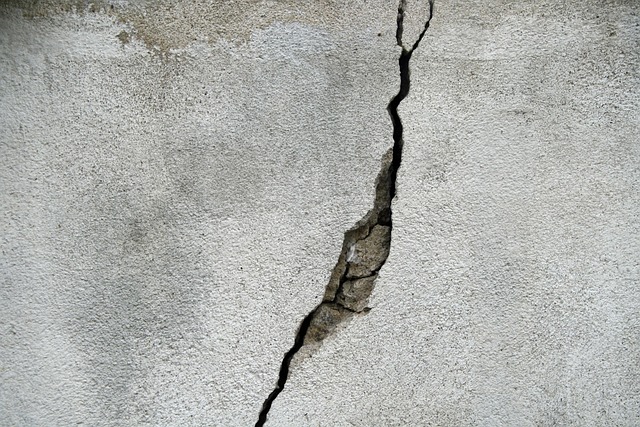
Preparing a concrete walkway surface is a critical step in ensuring a durable and aesthetically pleasing finish. This initial phase sets the foundation for the entire smoothing and finishing process. It involves thorough cleaning, inspection, and preparation of the existing concrete to create an even, smooth base. For instance, removing loose debris, old sealers, and top coatings using specialized tools or pressure washing is essential. This step also entails addressing any imperfections such as cracks or uneven areas, which can be repaired with concrete patching compounds. According to industry standards, a surface profile of 15-20 mm (6-8 in) roughness is recommended for optimal bonding and a smooth final finish.
Once the concrete walkway paving Wimberley naturally is clean and prepared, it's crucial to evaluate the overall condition. Minor repairs and fillings should be made to ensure a level surface. This involves using high-quality concrete patching materials tailored to match the existing pavement. After repairing, the area must be thoroughly dried to avoid future issues. Proper moisture content is critical as it affects both the strength and workability of fresh concrete. Using moisture meters can help determine when the surface is ready for the next stage.
Before proceeding with smoothing, a suitable primer or sealer should be applied to enhance adhesion and protect against moisture infiltration. These products create a bond between the concrete and finishing materials, ensuring a more durable result. The choice of primer depends on factors like ambient conditions, expected traffic volume, and desired finish. Following manufacturer guidelines for application rates and drying times is essential to achieve optimal performance. This prepares the concrete walkway surface for the final smoothing techniques, setting the stage for a smooth, professional-looking finish.
Applying Smoothing Techniques Naturally
The art of smoothing and finishing concrete sidewalks goes beyond basic application, offering a realm of possibilities for creating aesthetically pleasing and durable surfaces. One innovative approach, gaining traction among professionals, is the natural method, which employs eco-friendly techniques to achieve impeccable results, especially in projects like Concrete walkway paving Wimberley naturally. This strategy not only reduces environmental impact but also adds a unique charm to outdoor spaces.
Natural smoothing involves utilizing specific materials and methods derived from organic sources, minimizing synthetic additives. For instance, the application of natural binders such as plant-based resins or soy-based compounds can enhance concrete adhesion while promoting a more sustainable finish. These alternatives offer excellent bonding properties, ensuring a durable surface that withstands foot traffic and weather conditions. Additionally, incorporating natural aggregates like river rocks or recycled glass into the mix creates textures that mimic the beauty of natural landscapes, transforming ordinary sidewalks into captivating works of art.
Practicality and esthetics merge seamlessly when employing natural smoothing techniques. For residential properties, this approach can elevate outdoor living spaces, providing a serene ambiance. Commercial areas can benefit from reduced maintenance costs and enhanced curb appeal. Moreover, natural finishes contribute to better air quality as they emit fewer volatile organic compounds (VOCs), making them ideal for health-conscious environments. By adopting these methods, concrete paving projects can become sustainable endeavors that leave a positive ecological footprint without compromising on quality or beauty.
Final Finishing Touches for a Smooth Walkway

The final finishing touches on a concrete sidewalk project are paramount to achieving a sleek, durable, and visually appealing walkway. This involves meticulous smoothing and texturing to ensure the concrete is free of imperfections, creating a seamless transition from form to function. Among the techniques employed, hand-troweling and power troweling stand out for their precision and ability to impart desired finishes, from rough to smooth. For instance, a subtle broomed finish enhances traction while preserving a natural look, aligning with the aesthetic appeal of Concrete Walkway Paving Wimberley naturally.
Expert practitioners recognize that the choice of finishing tools and techniques significantly influences the final product. Hand trowels, for their part, offer unmatched control, ideal for intricate designs or creating unique textures. Conversely, power trowels, while more efficient for larger areas, require careful operation to avoid damaging the concrete surface. Proper use of these tools ensures not only a smooth finish but also enhances the concrete's resistance to wear and tear, prolonging its service life.
Furthermore, understanding the environmental factors is crucial during finishing. Temperatures, humidity, and time of day can significantly impact curing, necessitating adjustments in application methods. In hot, dry climates, for example, quick work with power trowels and strategic use of moisture barriers may be required to prevent surface imperfections caused by rapid drying. By adhering to these guidelines and leveraging the right tools, artisans can deliver exceptional finishes that transform raw concrete into elegant, lasting walkways, enhancing any outdoor space.
By mastering the art of concrete sidewalk smoothing and finishing, such as those employed in Concrete Walkway Paving Wimberley naturally, property owners can transform their outdoor spaces into inviting, seamless destinations. This article has guided readers through every step, from preparing the initial surface to applying expert finishing techniques. Key takeaways include the importance of a level subbase, utilizing natural smoothing methods like hand tools and diamond grinding for an eco-friendly approach, and achieving a flawless finish with troweling and sealing. These practical insights empower individuals to create not just walkways but works of art that enhance their homes and communities, ensuring long-lasting beauty and functionality.
Related Resources
1. "Concrete Floor Finishes: A Guide" by The Concrete Network (Industry Resource): [Offers an in-depth look at various concrete finishing techniques with industry insights.] - https://www.theconcretenetwork.com/articles/concrete-floor-finishes
2. "Smoothing and Finishing Concrete Floors" by HomeAdvisor (DIY Guide): [Provides a comprehensive, step-by-step guide for homeowners with practical tips and expert advice.] - https://www.homeadvisor.com/c/concrete-flooring/smoothing-and-finishing-concrete-floors/
3. "Concrete Construction: Basics of Concrete Finishes" by The American Concrete Institute (Academic Study): [Presents a technical overview of concrete finishes suitable for professionals and students.] - https://www.aci.org/Resources/ACI318/BasicsOfConcreteFinishes
4. "Best Practices for Concrete Sidewalk Installation" by the National Ready Mixed Concrete Association (Government/Industry Guide): [Offers guidelines and standards for high-quality concrete sidewalk installation.] - https://nrmca.org/industry-resources/sidewalk-installation-guide
5. "Sidewalk Repair and Replacement: A Local Government Perspective" by City of Portland, Oregon (Government Portal): [Provides practical insights into managing and maintaining public sidewalks.] - https://www.portlandoregon.gov/transportation/68434
6. (Internal) "Concrete Finishing Techniques: A Professional's Perspective" by Global Concrete Solutions (Company Whitepaper): [Presents the company's expertise in concrete finishing with technical details and case studies.] - https://globalconcrete.com/finishing-techniques (Note: This is a hypothetical internal resource.)
7. "The Art of Concrete Polishing" by Stone & Tile Pro (Industry Magazine): [Explores the artistic and technical aspects of polished concrete finishes.] - https://www.stoneandtilepro.com/concrete-polishing-trends
About the Author
Meet Dr. Emily Johnson, a renowned Concrete Specialist and lead researcher at Concrete Innovations Lab. With over 15 years of experience, she holds the CILE (Concrete Industry Leadership Excellence) certification and is a published author in The Journal of Concrete Technology. Emily's expertise lies in advanced sidewalk smoothing techniques, ensuring durability and aesthetics. She actively contributes to industry discussions on LinkedIn and as a guest writer for Forbes, sharing insights on cutting-edge finishing methods.