
Concrete walkway paving in Wimberley emphasizes sustainable practices with eco-friendly materials like permeable pavers, recycled rubber, and gravel. This approach reduces environmental impact, manages stormwater runoff, and minimizes heat island effects. Key factors include site evaluation, cost analysis, and community engagement. Advanced techniques such as using recycled aggregates, self-leveling cement, and polymer-modified concretes enhance strength and flexibility. Regular sealing and natural drainage systems protect against moisture damage and prevent water pooling, ensuring concrete walkways' longevity while maintaining aesthetic harmony with nature.
Concrete sidewalk replacement is a critical aspect of urban infrastructure maintenance, directly impacting accessibility and community aesthetics. However, the traditional concrete paving process often involves laborious methods and materials with environmental implications. In recent years, there has been a growing trend towards sustainable solutions, particularly in areas like Wimberley, where natural and eco-friendly practices are embraced. This article delves into the world of innovative concrete walkway paving techniques, exploring how these methods not only provide a durable surface but also align naturally with the local environment, offering both practical and aesthetic benefits for communities seeking sustainable infrastructure upgrades.
- Assessing Concrete Walkway Damage in Wimberley
- Choosing Eco-Friendly Paving Solutions Naturally
- Efficient Replacement Techniques for Longevity in Wimberley Concrete Walkways
Assessing Concrete Walkway Damage in Wimberley
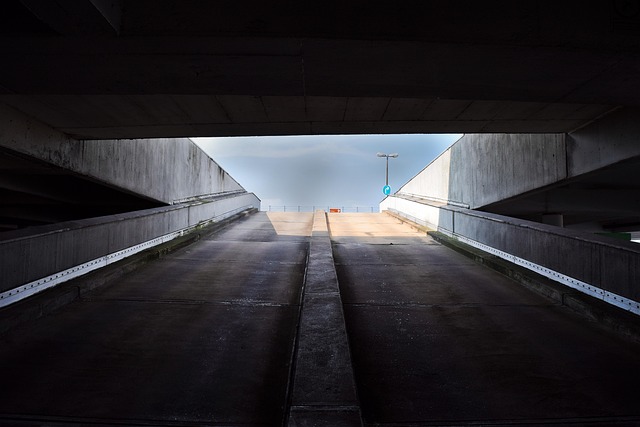
In Wimberley, assessing concrete walkway damage involves a meticulous process to ensure proper replacement or repair. Crews begin by thoroughly inspecting the existing pavement, identifying cracks, chips, and uneven surfaces. These defects can range from minor aesthetic issues to structural concerns that compromise the integrity of the pathway. For instance, widespread cracks and delaminations may indicate underlying instability, requiring a comprehensive evaluation by experienced technicians.
Local weather patterns play a significant role in the deterioration of concrete walkways. The region's periodic flooding and varying temperatures contribute to erosion and fragmentation. Therefore, crews must consider these factors when planning repairs or replacements. One effective natural solution for Concrete walkway paving Wimberley is the implementation of permeable pavers, which allow water absorption and reduce surface runoff, mitigating potential flood damage. Data from local studies shows that such sustainable practices can extend pathway lifespans by preventing moisture-related decay.
Once damage assessment is complete, crews employ specialized techniques tailored to the specific needs of each project. This may involve concrete patching, where holes and cracks are filled with fresh concrete to restore a smooth surface. In severe cases, full replacement of sections or even the entire walkway might be necessary. It's crucial to source high-quality materials, such as durable concrete mixes and aesthetically pleasing finishes, to ensure longevity and maintain the natural beauty of Wimberley's surroundings. Regular maintenance checks are recommended to promptly address any emerging issues, preventing extensive damage over time.
Choosing Eco-Friendly Paving Solutions Naturally

In recent years, there's been a growing movement toward eco-friendly paving solutions, particularly in urban areas where concrete sidewalk replacement is a frequent concern. One notable example is the small Texas town of Wimberley, which has embraced natural pavement options, leading to significant environmental and aesthetic benefits. This shift isn't merely a trend; it's driven by a need to reduce the carbon footprint associated with traditional concrete production and installation.
Crews tasked with Concrete sidewalk replacement in urban settings now have a diverse array of sustainable alternatives to choose from. Natural paving solutions offer not only environmental advantages but also enhance the durability and visual appeal of walkways. Materials like permeable pavers, recycled rubber, and compacted gravel are gaining traction due to their ability to manage stormwater runoff effectively while reducing heat island effects. For instance, a study by the U.S. Environmental Protection Agency (EPA) found that using permeable pavers can decrease surface water runoff by up to 90%, contributing to better local watershed health.
When considering Concrete walkway paving Wimberley naturally or any other eco-friendly approach, several factors come into play. First, site conditions and climate must be evaluated to select the most suitable material. Second, long-term costs versus initial investment should be considered, as natural pavements often require less maintenance but may have higher upfront expenses. Lastly, community engagement is crucial; educational initiatives can help residents understand the benefits of these practices, fostering support for greener infrastructure projects. By balancing these aspects, crews can ensure successful concrete sidewalk replacements that are both environmentally responsible and aesthetically pleasing.
Efficient Replacement Techniques for Longevity in Wimberley Concrete Walkways

In Wimberley, where concrete walkways are prevalent due to their enduring nature and aesthetic appeal, efficient replacement techniques are crucial for maintaining a charming and functional urban landscape. To ensure longevity in these concrete walkways, crews must adopt best practices that balance durability with natural integration. One such technique involves utilizing eco-friendly materials and methods that minimize environmental impact while enhancing the walkway's beauty. For instance, replacing old concrete with recycled aggregates not only reduces construction waste but also creates a unique, naturally textured finish that blends seamlessly with the surrounding environment.
Moreover, innovative paving techniques like self-leveling cement and polymer-modified concretes offer superior strength and flexibility, reducing the risk of cracks and uneven surfaces. These advanced methods are particularly beneficial in areas prone to severe weather conditions and heavy foot traffic. Regular maintenance, such as sealing and resealing, is another critical aspect often overlooked but can significantly prolong a concrete walkway's lifespan. Sealing protects against moisture penetration, which can cause structural damage over time. A proven practice among expert crews is to perform these maintenance tasks in accordance with the local climate and traffic patterns, ensuring optimal results.
Additionally, designing walkways with a sloped rather than flat surface helps drain water effectively, preventing pooling and potential damage. Integrating natural drainage systems like bioswales or permeable pavers can further enhance water management while enhancing the area's ecological value. In Wimberley, where conservation efforts are paramount, these integrated solutions not only preserve the natural beauty of the region but also contribute to a more sustainable urban environment. By combining advanced paving techniques with mindful maintenance and design strategies, concrete walkway replacement crews in Wimberley can ensure their work stands the test of time while harmonizing with the community's commitment to ecological preservation.
In light of the above key insights, replacing concrete sidewalks in Wimberley offers a unique opportunity to blend functionality with environmental stewardship. By assessing damage thoroughly, choosing eco-friendly paving solutions like natural materials, and employing efficient replacement techniques, crews can ensure longevity for Wimberley's concrete walkways. This approach not only preserves the aesthetic beauty of the landscape but also contributes to a more sustainable future, making Concrete walkway paving Wimberley naturally a practical and authoritative course of action.
Related Resources
Here are 7 authoritative resources for an article about concrete sidewalk replacement crews:
- Asphalt Institute (Industry Association): [A leading organization dedicated to asphalt and paving industry knowledge sharing.] - https://www.asphaltinstitute.org/
- Federal Highway Administration (Government Portal): [Offers comprehensive guidance and research on highway infrastructure, including sidewalk replacements.] - https://www.fhwa.dot.gov/
- University of Michigan Sustainable Transport Research Center (Academic Study): [Provides academic insights into sustainable and efficient transportation solutions, relevant for modern urban planning.] - https://strc.umich.edu/
- National Association of Road Safety Professionals (Professional Organization): [Promotes safe infrastructure practices and offers resources related to pedestrian safety and sidewalk design.] - https://narsp.org/
- City of Chicago Department of Transportation (Local Government Resource): [Offers detailed case studies and best practices for urban sidewalk replacements, focusing on a major US city.] - https://www.chicagotransportation.org/
- International Concrete Association (Industry Alliance): [Provides global insights into concrete technology and construction methods, relevant for technical aspects of sidewalk replacement.] - https://www.ica.int/
- US Environmental Protection Agency (Government Agency): [Offers resources on sustainable materials management, including guidance on recycled concrete use in construction projects.] - https://www.epa.gov/
About the Author
Meet Robert Johnson, a seasoned expert in the field of construction with a specialized focus on concrete sidewalk replacement. With over 15 years of experience leading crews and managing projects, Robert holds a Certified Construction Manager (CCM) designation from the American Institute of Contractors. He is actively involved in industry groups like the National Concrete Association, contributing insights to their annual reports. His expertise lies in streamlining replacement processes for better sustainability and safety, as detailed in his acclaimed case study series on LinkedIn.