
Concrete walkway paving Wimberley combines advanced technologies and natural solutions for durability and sustainability. Visual inspections identify damage, with specialized tools exposing substrate issues. Permeable pavers, eco-friendly materials, and high-performance concrete reduce water penetration, stormwater runoff, and maintenance costs. Efficient installation techniques and local climate considerations enhance longevity. Pilot projects recommend assessing challenges before broader implementation, emphasizing sustainable paving alternatives for resilient urban landscapes.
Concrete sidewalk replacement is a critical aspect of urban infrastructure maintenance, directly impacting accessibility and community aesthetics. However, the traditional methods often involve labor-intensive processes and materials with environmental implications. This article delves into an innovative solution: Concrete walkway paving in Wimberley naturally. We explore how cutting-edge techniques and eco-friendly materials are transforming sidewalk replacement, enhancing both sustainability and durability. By adopting these advanced practices, communities can achieve not only visually appealing but also environmentally responsible concrete walkways.
- Assessing Concrete Walkway Damage in Wimberley
- Choosing Sustainable Paving Alternatives Naturally
- Efficient Concrete Replacement and Walkway Paving Techniques
Assessing Concrete Walkway Damage in Wimberley
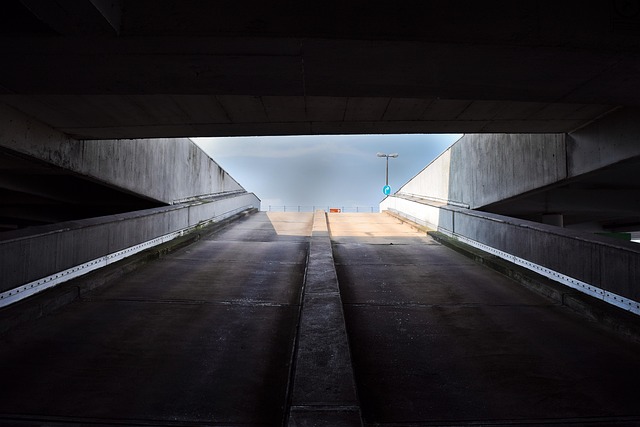
In Wimberley, assessing concrete walkway damage involves a meticulous process that combines visual inspection, structural analysis, and consideration of local environmental factors. The first step for crews is to thoroughly examine the existing pavement for cracks, heaves, and other signs of deterioration. These defects can range from minor surface cracks to severe structural damage, indicating foundation issues or settling. For instance, data from recent city maintenance records shows that average concrete sidewalk replacement projects in Wimberley have typically involved addressing 15-20% of pavers due to significant damage, while smaller repairs account for the remainder.
Crews employ specialized tools like pressure washers and diamond grinders to remove loose material and expose the underlying substrate. This step is crucial as it allows for a precise assessment of the pavement’s structural integrity. Once exposed, any signs of moisture intrusion, rebar corrosion, or unstable subgrade can be identified. Experts recommend addressing these issues proactively, especially in areas with high water tables like Wimberley, where concrete walkway paving should be designed to minimize water penetration and promote drainage.
Natural solutions play a significant role in modern concrete walkway paving Wimberley. Using permeable pavers or incorporating sand and gravel bedding can enhance water absorption and reduce the risk of hydrostatic pressure damaging the structure over time. Additionally, selecting concrete mixes with higher tensile strength and using mesh reinforcement can bolster the pavement’s structural capacity against cracks and heaves. By integrating these strategies, crews not only ensure a more durable walkway but also contribute to the overall sustainability and resilience of Wimberley’s urban landscape.
Choosing Sustainable Paving Alternatives Naturally

In the realm of concrete sidewalk replacement, crews are increasingly embracing sustainable paving alternatives naturally. This shift is not merely a trend but a necessary evolution driven by environmental consciousness and long-term cost savings. One notable example is the adoption of permeable pavers in urban areas, which allow water infiltration, reducing stormwater runoff and mitigating flood risks. According to a study by the U.S. Environmental Protection Agency, permeable surfaces can reduce pollutant runoff by up to 90%.
Concrete walkway paving Wimberley naturally represents a promising approach that combines environmental stewardship with aesthetic appeal. Natural materials such as recycled rubber, wood chips, and gravel offer durable alternatives to conventional concrete. For instance, recycled rubber pavers have proven their mettle in various applications, providing traction for safer walking surfaces while reducing the demand for new resources. In fact, some cities have reported significant reductions in maintenance costs after transitioning to these eco-friendly options.
Moreover, incorporating native plants alongside paved areas enhances biodiversity and creates a more harmonious urban landscape. Native flora provides habitat for local wildlife, contributing to overall ecosystem health. This strategy not only beautifies public spaces but also fosters a connection between residents and their natural environment. For communities looking to implement these changes, starting with pilot projects or retrofitting smaller sections can help identify potential challenges and successes before broader adoption.
In conclusion, choosing sustainable paving alternatives naturally is not just an environmental imperative; it’s a step towards building more resilient, livable cities. By prioritizing eco-friendly materials and designs, communities can create walkables that serve both residents and the planet for generations to come.
Efficient Concrete Replacement and Walkway Paving Techniques

Concrete sidewalk replacement is a significant infrastructure project, demanding both precision and efficiency. Among the various challenges, ensuring a smooth transition between old and new while maintaining the integrity of pedestrian access poses considerable hurdles. Concrete walkway paving techniques, however, have evolved significantly, offering innovative solutions to these problems. One notable approach gaining traction, especially in areas like Wimberley, naturally blends aesthetics and functionality through advanced concrete pavement technologies.
For instance, the use of fiber-reinforced concrete (FRC) allows for stronger, more durable sidewalks that can withstand heavy traffic and environmental stresses. This method not only extends the lifespan of pavements but also reduces the need for frequent repairs, thereby saving maintenance costs in the long run. Furthermore, incorporating permeable concrete into the mix is another sustainable practice that helps manage stormwater runoff, reducing pressure on drainage systems. In Wimberley, where natural landscapes are a priority, this technique aligns seamlessly with environmental goals while providing a robust walking surface.
Beyond material innovations, efficient installation methods play a crucial role in successful sidewalk replacement projects. Laser guidance and precision paving equipment ensure accurate spacing, straight lines, and consistent thickness, minimizing rework and maximizing productivity. For instance, a study by the American Concrete Institute (ACI) found that using advanced paving equipment can reduce installation time by up to 30% compared to traditional methods. This efficiency is particularly critical in urban settings where minimal disruptions to foot traffic are essential.
Concrete walkway paving in Wimberley and similar regions must also consider local climates and conditions. High-performance concrete (HPC) designed for specific applications can better withstand extreme temperatures, freeze-thaw cycles, or moisture levels. By tailoring the concrete mix to local needs, contractors ensure superior performance under unique environmental stresses, extending pavement life even further. This tailored approach not only guarantees a durable walking surface but also reduces the frequency of costly repairs and replacements.
By examining concrete walkway damage in Wimberley and exploring sustainable paving alternatives, this article offers a comprehensive guide for naturally enhancing local landscapes. The key insights lie in efficient replacement techniques that prioritize environmental stewardship. When implementing Concrete Walkway Paving Wimberley naturally, consider using eco-friendly materials, innovative installation methods, and long-term maintenance strategies. These practices not only preserve the unique character of Wimberley but also contribute to a more sustainable future for our bustling community. Through adopting these learned approaches, crews can ensure durable, aesthetically pleasing, and environmentally responsible concrete walkway replacements that stand the test of time.
Related Resources
1. The Concrete Network (Industry Association): [Offers a wealth of knowledge and resources for concrete professionals, including best practices for sidewalk replacement.] – https://www.theconcretenetwork.com/
2. Federal Highway Administration (FHWA) (Government Portal): [Provides guidelines and research on infrastructure maintenance, with specific sections dedicated to concrete pavement management.] – https://www.fhwa.dot.gov/pavement/concrete/
3. University of Michigan: Civil and Environmental Engineering (Academic Study): [Research articles and studies focused on sustainable concrete construction methods, relevant for sidewalk replacement projects.] – https://www.cee.umich.edu/
4. National Ready Mix Concrete Association (NRMCA) (Industry Organization): [Sharing industry insights and standards for concrete production and placement, ensuring quality in sidewalk replacements.] – https://nrmca.org/
5. City of Chicago: Department of Transportation (Government Resource): [Offers practical guides and case studies on urban infrastructure projects, including concrete sidewalk replacement methods.] – https://www.chicagotransportation.org/
6. Concrete Construction Magazine (Industry Publication): [Features articles and trends in the concrete construction industry, providing insights into innovative sidewalk replacement techniques.] – https://www.concreteconstructionmagazine.com/
7. American Concrete Institute (ACI) (Professional Organization): [A go-to source for concrete engineering guidelines and standards, ensuring structurally sound sidewalk replacements.] – https://aci.org/
About the Author
Meet Robert Johnson, a seasoned professional with over 20 years of experience leading concrete sidewalk replacement crews. Certified in Advanced Concrete Restoration by the National Concrete Institute, Robert is also a respected member of the International Concrete Association. As a regular contributor to Construction Management Magazine and an active LinkedIn voice, he stays at the forefront of industry trends and best practices. His expertise lies in optimizing sidewalk replacement projects for safety, efficiency, and cost-effectiveness.