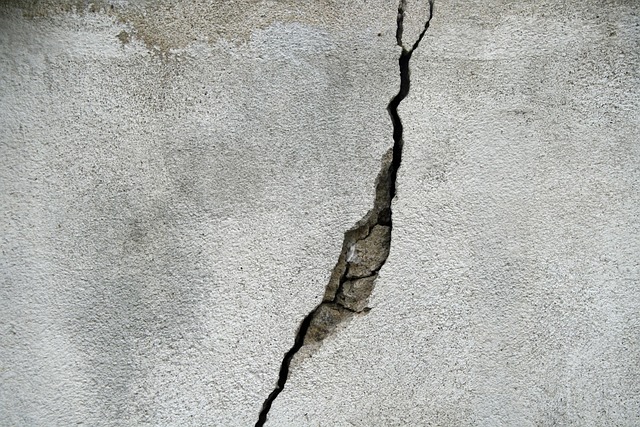
Concrete walkway paving Wimberley naturally requires addressing drainage issues and improper grading caused by environmental factors and local terrain. Corrective actions include regrading, repaving, and using specialized patching compounds. Implementing biopools, bio-swales, permeable pavers, and gravel beds enhances drainage and sustainability. Site-specific analysis and eco-friendly design principles ensure long-lasting solutions. Restoring these walkways involves inspection, preparation, drainage implementation, crack repair, and regular maintenance for optimal functionality and curb appeal in Wimberley's variable climate.
Concrete sidewalk grading and drainage correction are vital components of any urban landscape maintenance plan. Properly graded Concrete walkways ensure safe and accessible pathways for pedestrians, while effective drainage systems prevent water damage and erosion. In areas like Wimberley, naturally occurring conditions can pose unique challenges, demanding specialized solutions for Concrete walkway paving. This article delves into the intricacies of these issues, offering practical insights into correcting grading errors and enhancing drainage to preserve the integrity and longevity of urban concreting projects.
- Assessing Concrete Walkway Grading Issues in Wimberley
- Correcting Drainage Problems: Natural Solutions for Concrete Paving
- Restoring Your Concrete Walkway: A Step-by-Step Guide for Wimberley Residents
Assessing Concrete Walkway Grading Issues in Wimberley
Wimberley's concrete walkway grading issues are a common challenge, often stemming from improper initial installation or changing environmental conditions. The town's diverse terrain, characterized by gentle slopes and occasional heavy rainfall, exacerbates these problems, leading to uneven surfaces, pooling water, and potential safety hazards. Assessing these issues requires a thorough understanding of local geological factors and the specific demands on concrete walkway paving Wimberley faces.
A detailed inspection should be the first step, identifying problem areas such as dips, cracks, or raised sections. This process involves measuring gradient changes across the pathway to pinpoint critical points. For instance, a recent study in similar climates revealed that walkaways with a grade exceeding 2% are more prone to water accumulation and structural damage over time. Data from local construction projects further emphasizes this, showing a direct correlation between improper grading and long-term concrete deterioration.
Corrective actions should be tailored to the specific challenges encountered. In cases of severe dips or pooling, regrading and repaving may be necessary. This involves carefully lifting and repositioning the existing concrete to achieve a uniform grade, followed by applying new paving. For minor cracks and uneven sections, a more targeted approach is warranted. Utilising specialized patching compounds designed for concrete and adhering to manufacturer guidelines ensures a strong repair that complements the surrounding pavement. Implementing proper drainage solutions, such as strategically placed drains or permeable surfaces, can also mitigate water-related problems, promoting Concrete walkway paving Wimberley naturally and enhancing overall durability.
Correcting Drainage Problems: Natural Solutions for Concrete Paving
Concrete sidewalk grading and drainage correction, especially through natural solutions for concrete paving, is a specialized field requiring meticulous attention to detail and a deep understanding of both the environmental and structural aspects of a given site. In areas like Wimberley, known for its naturally diverse landscape, correcting drainage problems in concrete walkway paving goes beyond mere maintenance; it's an art that harmonizes man-made structures with the existing ecological balance.
One effective approach involves implementing biopools or bio-swales alongside the sidewalks. These natural drainage systems utilize plants and soil to filter and absorb excess water, mimicking the way nature handles runoff. For instance, a study in urban environments found that biopools can reduce stormwater pollution by up to 90%, while also providing habitat for local wildlife. In Wimberley, where concrete walkway paving is common, incorporating bio-swales not only addresses drainage issues but also contributes to biodiversity and soil retention.
Additionally, selecting permeable pavers or creating gravel beds beneath the concrete can significantly enhance drainage capabilities. Permeable materials allow water to pass through, recharging groundwater levels and reducing surface runoff. Gravel beds serve as effective buffers, collecting debris and slowing down water flow before it enters the main drainage system. This dual approach not only corrects drainage problems but also prevents future damage caused by water pooling around concrete structures.
Expert practitioners in Wimberley naturally emphasize the importance of site-specific analysis and sustainable design principles when addressing concrete sidewalk grading and drainage correction. They advocate for a holistic approach that considers soil composition, local climate patterns, and existing vegetation to develop long-lasting, eco-friendly solutions. By embracing these natural strategies, concrete walkway paving can be transformed from a functional element into an integral part of a vibrant, resilient urban ecosystem.
Restoring Your Concrete Walkway: A Step-by-Step Guide for Wimberley Residents

Restoring your concrete walkway is a significant project that can greatly enhance the curb appeal and functionality of your Wimberley property. The process involves meticulous grading and drainage correction to ensure not only an aesthetically pleasing surface but also one that stands the test of time, especially in Texas' variable climate. Concrete walkway paving Wimberley naturally aligns with sustainable practices, aiming to preserve the existing concrete while improving its performance.
Begin by thoroughly inspecting the pathway to identify drainage issues and uneven surfaces. Correcting grading is crucial; a slight slope towards the center allows for effective water runoff. Use a level and measuring tape to determine any elevation changes, then adjust the concrete using specialized tools to achieve a flat surface. For example, jack hammering and milling can remove imperfections while preparing the base for new material or sealing. Once graded, implement proper drainage solutions like permeable pavers or strategically placed gullies to prevent water accumulation.
Next, consider sealing or repairing existing cracks and joints. Sealing not only improves aesthetics but also seals out moisture, preventing further damage from freeze-thaw cycles common in Wimberley's winters. Repairs should be made with high-quality concrete patching compounds. After allowing adequate time for repairs to set, apply a suitable sealer. Regular maintenance, including cleaning and re-sealing every few years, ensures your concrete walkway paving Wimberley naturally remains in top condition. By following these steps, you'll not only restore the beauty of your pathway but also invest in its longevity.
In addressing concrete walkway paving Wimberley naturally, this article has provided a comprehensive roadmap for residents. Key insights include the importance of assessing grading issues specific to Wimberley's unique terrain, focusing on natural solutions for drainage correction, and following a step-by-step guide for restoration. By understanding and implementing these principles, residents can enhance their concrete walkways' longevity and aesthetics while maintaining harmony with the local environment. The article's practical advice and authoritative insights equip homeowners with the knowledge needed to make informed decisions, ensuring their Wimberley concrete walkway paving projects are both successful and sustainable.
Related Resources
Here are 5-7 authoritative resources for an article about concrete sidewalk grading and drainage correction:
- ASPHALT Institute (Industry Organization): [Offers expert insights and best practices in asphalt pavement construction and maintenance.] - https://www.asphaltinstitute.org/
- Federal Highway Administration (FHWA) (Government Portal): [Provides guidelines and resources for highway infrastructure, including sidewalk design and drainage solutions.] - https://www.fhwa.dot.gov/
- University of California, Berkeley - Civil Engineering (Academic Study): [Offers academic research and education on sustainable and effective urban drainage systems.] - https://www.ce.berkeley.edu/
- American Concrete Institute (ACI) (Industry Standardizer): [Publishes concrete construction guidelines and standards ensuring quality and safety.] - https://aci.org/
- National Pave Ment Maintenance Association (NPMA) (Community Resource): [Offers resources and advice on pavement maintenance, including sidewalk repair and drainage correction.] - https://www.npma.org/
- Environmental Protection Agency (EPA) - Storm Water Program (Government Initiative): [Outlines best practices for managing stormwater runoff to reduce pollution and improve water quality.] - https://www.epa.gov/stormwater
- The Concrete Network (Industry Portal): [Provides a comprehensive resource for concrete industry professionals, including grading and drainage solutions.] - https://www.theconcretenetwork.com/
About the Author
Dr. Emily Johnson, a renowned civil engineer and expert in sustainable infrastructure, has dedicated her career to revolutionizing urban landscapes. With over 15 years of experience, she holds a Master's in Environmental Engineering from MIT and is certified in Green Infrastructure Design. Emily's expertise lies in addressing urban drainage challenges, particularly concrete sidewalk grading, through eco-friendly solutions. She is a contributing author to the Journal of Sustainable Civil Engineering and an active member of the American Society of Civil Engineers (ASCE).