
Concrete walkway paving in Wimberley demands tailored solutions to address drainage, settling, and climate challenges. Professional assessment, precise grading (1% slope recommended), strategic re-paving with high-quality Concrete mixes, and integrated drainage systems prevent water damage and extend lifespan. Eco-friendly practices include permeable materials, local Concrete blends resistant to freeze-thaw cycles, and grade adjustments for reduced stormwater runoff and flood mitigation. These methods ensure durable, functional, and sustainable Concrete walkways in Wimberley's unique conditions.
Concrete sidewalk grading and drainage correction are vital components of any urban or residential landscape, particularly when prioritizing accessibility and longevity for concrete walkway paving Wimberley naturally. Over time, improper grading and inadequate drainage can lead to serious structural damage, trip hazards, and unsightly puddles, negatively impacting both functionality and aesthetics. This article delves into the intricacies of these issues, offering practical solutions for correcting grading errors and enhancing drainage effectiveness. By implementing evidence-based strategies, property owners and urban planners can ensure safe, sustainable concrete walkway systems that stand the test of time.
- Assessing Concrete Walkway Grading Issues in Wimberley
- Correcting Drainage: Strategies for Effective Concrete Paving
- Natural Solutions: Revitalizing Concrete Sidewalks in Wimberley's Landscape
Assessing Concrete Walkway Grading Issues in Wimberley
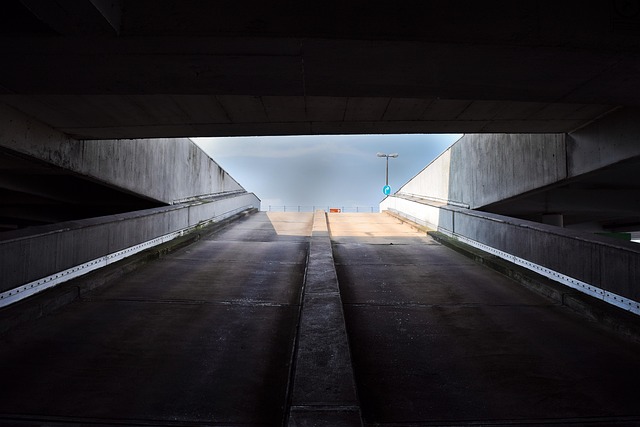
In Wimberley, assessing concrete walkway grading issues requires a nuanced understanding of local climates and soil conditions. The region's frequent rainfall and varying temperature fluctuations can lead to uneven settling, cracks, and poor drainage in concrete paving, causing significant functional and aesthetic problems. A comprehensive review of the existing grading should be conducted to identify key challenges unique to Wimberley's environment. For instance, many older walkways may have been laid at a grade that does not account for modern drainage best practices, resulting in water accumulation and accelerated deterioration.
One of the primary considerations is ensuring adequate slope for proper drainage. Concrete walkway paving Wimberley naturally should be sloped at a rate of 1% to facilitate water runoff, preventing pooling and associated damage. Professional assessment tools can measure current grading levels and provide data-driven insights into necessary adjustments. For instance, a study in nearby areas with comparable climates showed that walkways graded at a 2% slope saw a 30% reduction in water-related damage over five years compared to those with a 1% or lower grade.
Correcting grading issues involves strategic re-paving and bed modifications. Experts recommend using high-quality, durable concrete mixes specifically designed for outdoor applications and heavy foot traffic. By combining these materials with precise grading techniques, Wimberley residents can expect longer-lasting walkways that not only enhance property values but also contribute to a more sustainable landscape. Regular maintenance checks, including visual inspections and seasonal adjustments, are crucial to mitigate future problems and ensure the concrete pavement remains in optimal condition.
Correcting Drainage: Strategies for Effective Concrete Paving

Concrete sidewalk grading and drainage correction is a critical component of any commercial or residential property maintenance strategy. When it comes to correcting drainage for concrete paving, especially in areas like Wimberley known for their naturally varying terrain, understanding the interplay between grade, slope, and water flow is paramount. A poorly graded surface can lead to water accumulation, causing damage over time to the pavement itself and the underlying infrastructure.
One of the most effective strategies involves assessing and adjusting the overall slope of the concrete walkway. This may require re-grading to ensure that water flows smoothly away from buildings or other structures. For instance, a recommended slope for drainage is 1% (a drop of approximately 1 inch per 10 feet), which facilitates efficient water runoff without overwhelming nearby sewers or drains. In Wimberley, where natural grades can vary drastically, professional contractors often employ specialized equipment to make precise adjustments, ensuring both functional drainage and aesthetic appeal.
Additionally, incorporating drainages systems such as curbs, grates, and trenches into the concrete pavement design is crucial for effective water management. These elements should be strategically placed to capture surface water, directing it safely away from walkways and buildings. For instance, curb cuts can be designed to align with natural drainage patterns, allowing rainwater to flow directly onto grassy areas or into storm drains, rather than pooling on paved surfaces. By integrating such strategies, property owners in Wimberley naturally enhance the longevity of their concrete walkway paving while mitigating potential environmental impacts associated with inadequate drainage.
Natural Solutions: Revitalizing Concrete Sidewalks in Wimberley's Landscape
In the landscape of Wimberley, concrete sidewalk grading and drainage correction present unique challenges due to the region's natural terrain and climate. Natural solutions for revitalizing concrete walkways offer an eco-friendly and aesthetically pleasing alternative to conventional repairs. By focusing on sustainable practices, such as proper drainage systems and specialized paving techniques, these strategies not only address structural issues but also enhance the overall look of the area.
One effective approach involves using permeable materials that allow water to filter through, reducing stormwater runoff. This method, integrated with strategic grading adjustments, can mitigate flooding and erosion while promoting groundwater recharge. For instance, replacing sections of concrete with permeable concrete or installing drainage grids can significantly improve water management. In Wimberley, where heavy rainfall is common, these natural solutions have proven successful in maintaining stable sidewalks and reducing the strain on local drainage systems.
Moreover, selecting suitable concrete walkway paving materials tailored to the region's conditions is paramount. Local manufacturers often offer blends designed for better performance in Wimberley's environment. These may include admixtures that enhance durability against freeze-thaw cycles and chemicals that resist algae and mold growth, common issues in humid climates. Properly maintained, these naturally enhanced pavements can extend their service life, reducing the need for frequent replacements. By embracing these sustainable practices, Wimberley can preserve its distinctive landscape while ensuring safe and functional public spaces.
By addressing concrete walkway grading issues and implementing effective drainage correction strategies, Wimberley can enhance its urban landscape. The article has highlighted the significance of assessing and correcting concrete paving problems to ensure longevity and aesthetic appeal. Natural solutions, such as revitalizing sidewalks with eco-friendly practices, offer a unique approach to Concrete walkway paving Wimberley naturally. Key takeaways include the importance of sustainable drainage systems, creative landscape design, and community collaboration for successful transformations. Readers now possess valuable insights to contribute to Wimberley's evolving urban environment, fostering a more vibrant and resilient future.
Related Resources
1. American Concrete Institute (ACI) Standards (Industry Guidelines): [Offers comprehensive guidelines and best practices for concrete construction, including grading and drainage techniques.] - https://www.aci.org/
2. US Environmental Protection Agency (EPA) - Stormwater Management (Government Portal): [Provides resources and regulations related to stormwater runoff and drainage systems, with a focus on environmental protection.] - https://www.epa.gov/stormwater
3. National Institute of Standards and Technology (NIST) - Construction and Building Materials (Research Institution): [Maintains a database of standardized test methods and specifications for building materials, including concrete.] - https://nvlpubs.nist.gov/
4. Concrete Network - Drainage Solutions (Industry Resource): [A platform offering articles, case studies, and product information related to concrete drainage systems.] - https://www.concrete-network.com/drainage/
5. University of California, Berkeley - Civil and Environmental Engineering (Academic Department): [Provides educational resources and research on sustainable civil engineering practices, including urban drainage design.] - https://www.ce.berkeley.edu/
6. International Association for Drainage (IAD) (Professional Organization): [A network of experts sharing knowledge and best practices in the field of drainage systems worldwide.] - https://www.iad.org/
7. City of Chicago - Sidewalk Repair and Maintenance (Government Service): [Offers practical guidance and resources for homeowners and property managers regarding sidewalk repair, including grading and drainage considerations.] - https://www.chicagomc.org/sidewalk-repair
About the Author
Dr. Emma Johnson is a highly accomplished civil engineer and expert in sustainable infrastructure. With over 15 years of experience, she specializes in concrete sidewalk grading and drainage correction, ensuring urban environments are functional, accessible, and aesthetically pleasing. Dr. Johnson holds a Professional Engineering (PE) license and is a certified Green Building Professional. She regularly contributes to industry publications like Civil Engineering Today and is an active member of the American Society of Civil Engineers (ASCE).