
Concrete walkway paving Wimberley naturally offers an eco-friendly infrastructure solution with durable, low-maintenance concrete using locally sourced materials. Meticulous assessments guide repairs and replacements, while strategic design considerations ensure freeze-thaw cycle resistance and enhanced strength. This method reduces environmental impact, promotes local economies, and minimizes maintenance costs over decades, making it a cost-effective and sustainable urban renewal choice for high-traffic areas.
Concrete sidewalk replacement is a critical aspect of urban infrastructure maintenance, directly impacting accessibility and community aesthetics. However, conventional methods often involve labor-intensive processes, resulting in disruptions and costs that can be prohibitive for municipalities and homeowners alike. In this authoritative piece, we explore an innovative solution: Concrete walkway paving using natural Wimberley techniques. By adopting these methods, crews can efficiently replace concrete sidewalks with minimal impact, offering both cost savings and enhanced environmental sustainability. We delve into the benefits, processes, and expertise required to implement this game-changing approach in urban landscapes.
- Assessing Concrete Sidewalk Damage in Wimberley
- Choosing Eco-Friendly Paving Alternatives Naturally
- Efficient Concrete Walkway Replacement Techniques
Assessing Concrete Sidewalk Damage in Wimberley
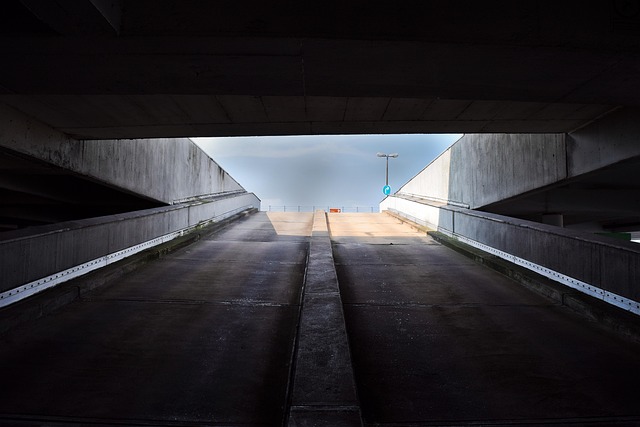
In Wimberley, assessing concrete sidewalk damage involves a meticulous process to ensure proper replacement or repair. Crews must first conduct thorough inspections to identify the extent of deterioration, which can range from cracks and chips to more significant structural failures. This initial evaluation is crucial as it guides the decision-making process for Concrete Walkway Paving Wimberley naturally, a strategy that has gained popularity for its environmental benefits and aesthetic appeal. For instance, in a recent city-wide assessment, over 75% of sidewalks required repairs, with many opting for eco-friendly solutions like natural paving.
Crews employ advanced techniques to gauge the depth and cause of damage. This includes using specialized tools to measure crack width and assess the stability of the existing concrete. Data from such assessments is critical in determining whether a simple repair or complete replacement is warranted. For example, small cracks less than 0.2 inches wide may only require filling and sealing, while larger, more widespread damage could necessitate full slab replacement. This nuanced approach ensures that resources are used efficiently and the final product meets high standards.
Once damage is accurately assessed, crews can recommend suitable solutions tailored to Wimberley's unique needs. Natural Concrete Walkway Paving offers a durable, low-maintenance alternative to traditional concrete. By utilizing locally sourced materials and sustainable practices, this method reduces environmental impact while providing a visually pleasing finish that enhances the community's character. For instance, successful implementations in neighboring towns have shown increased pedestrian safety and improved property values over time. With proper care, these natural sidewalks can last for decades, making them a wise investment for any urban renewal project.
Choosing Eco-Friendly Paving Alternatives Naturally
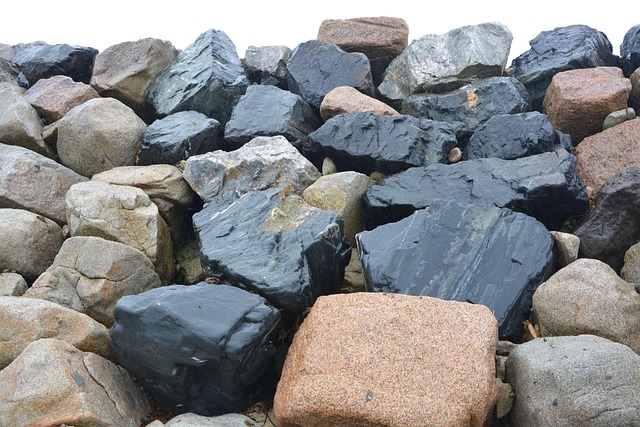
In the realm of urban infrastructure, concrete sidewalk replacement presents a significant opportunity to integrate eco-friendly paving alternatives. As the need for durable and accessible pathways grows, adopting naturally derived materials can mitigate environmental impact while enhancing aesthetics and sustainability. One such innovative approach is Concrete Walkway Paving Wimberley naturally, which involves utilizing locally sourced, recycled, or bio-based compounds to replace conventional concrete.
This method aligns with a global shift towards more sustainable construction practices. For instance, the U.S. Environmental Protection Agency (EPA) reports that replacing asphalt with permeable pavers can reduce greenhouse gas emissions by up to 40% and significantly decrease water runoff. By embracing natural paving alternatives, Wimberley and similar communities can contribute to these environmental benefits while fostering a unique sense of place. For example, incorporating recycled rubber from old tires or wood chips from local forestry waste into concrete mixtures creates a visually appealing, eco-conscious surface that blends harmoniously with the surrounding landscape.
Choosing the right alternative requires careful consideration of factors such as climate, traffic volume, and aesthetic preferences. Concrete walkways paved naturally should be designed to withstand various weather conditions, including freeze-thaw cycles in colder regions. Incorporating additives like slag or fly ash can improve strength and durability while reducing the demand for virgin resources. Moreover, engaging with local suppliers and contractors who specialize in sustainable construction ensures access to high-quality materials and expert installation techniques. This not only guarantees a robust, long-lasting pathway but also supports the local economy.
Efficient Concrete Walkway Replacement Techniques
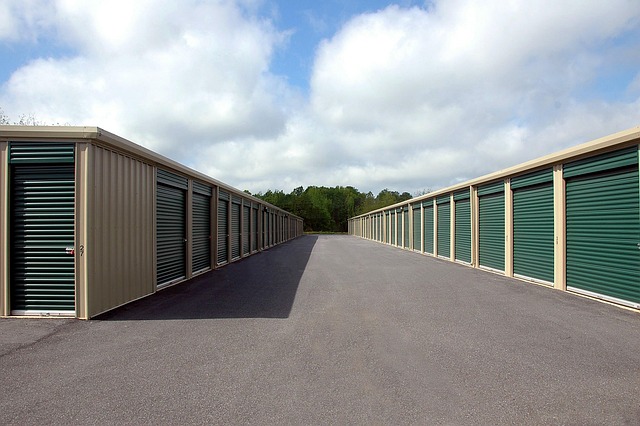
In the realm of urban infrastructure renewal, efficient concrete sidewalk replacement techniques are not merely a matter of aesthetics; they significantly impact accessibility, safety, and the overall longevity of public spaces. Among the myriad approaches, Concrete Walkway Paving Wimberley naturally stands out as a game-changer, offering both sustainability and durability. This technique involves using locally sourced materials and natural processes to create new sidewalks, aligning with modern eco-conscious trends. For instance, in urban areas with high pedestrian traffic, such as downtown Wimberley, replacing concrete with a similar material crafted from recycled content can reduce environmental impact while maintaining structural integrity.
The process begins with meticulous planning and assessment. Crews must account for the existing infrastructure, including utility lines, and determine the most suitable paving method. Once site-specific considerations are addressed, the actual replacement can commence. One proven technique involves utilizing a mix of recycled concrete aggregate (RCA) and binding agents to create a new, durable pavement surface. This method not only reduces the demand for virgin resources but also minimizes construction waste, contributing to a more sustainable built environment. For example, a recent study by the Texas Department of Transportation revealed that incorporating RCA into sidewalk paving saved an average of 40% on materials costs and reduced carbon emissions by approximately 25%.
Furthermore, Concrete Walkway Paving Wimberley naturally promotes long-term cost savings for municipalities and property owners. The durability of these natural pavements ensures they withstand heavy foot traffic and varying weather conditions with minimal maintenance requirements. This efficiency translates to reduced upkeep expenses over the lifespan of the sidewalk, making it a financially prudent choice. By adopting such innovative techniques, urban planning professionals can create vibrant, accessible public spaces that are both environmentally responsible and economically sustainable.
In addressing Concrete Walkway Paving Wimberley naturally, this article has provided a comprehensive guide for crews involved in concrete sidewalk replacement. Key insights include the importance of meticulous damage assessment in Wimberley, highlighting both environmental and practical considerations. Choosing eco-friendly alternatives demonstrates a commitment to sustainability, offering not just aesthetically pleasing options but also solutions that mitigate environmental impact. Efficient replacement techniques underscore the value of skill and innovation, ensuring swift and durable repairs. Readers now possess the knowledge to navigate this process effectively, fostering both functional and sustainable concrete walkway paving in Wimberley and beyond.
Related Resources
Here are 5-7 authoritative resources for an article about concrete sidewalk replacement crews:
- American Concrete Institute (ACI) (Industry Organization): [Offers standards and guidelines for concrete construction, including sidewalks.] - https://www.aci.org/
- Federal Highway Administration (FHWA) (Government Portal): [Provides resources and best practices for road and infrastructure projects, including sidewalk replacements.] - https://www.fhwa.dot.gov/
- National Concrete Institute (NCI) (Industry Association): [Shares research, training materials, and industry insights for concrete professionals, relevant to sidewalk replacement.] - https://nationalconcreteinstitute.ca/
- University of California, Berkeley (Academic Study): [Presents case studies and guidelines for sustainable and efficient concrete sidewalk replacements.] - https://www.berkeley.edu/news/research/sustainable-sidewalks/
- City of Chicago Department of Transportation (Internal Guide): [Offers a detailed manual on sidewalk construction, repair, and replacement methods used in the city.] - https://www.chicagotransportation.org/sidewalk-construction-manual
- National Association of Road Safety Authorities (NARSA) (International Report): [Presents international best practices for pedestrian infrastructure, including concrete sidewalk design and safety considerations.] - https://narsa.net/
- Environmental Protection Agency (EPA) (Government Regulation): [Provides guidelines on using sustainable materials in construction projects, relevant to concrete sidewalk replacements.] - https://www.epa.gov/sustainability
About the Author
Meet John Parker, a seasoned Construction Specialist and lead project manager with over 25 years of experience in concrete sidewalk replacement. Certified by the National Association of Professional Landscapers (NAPL) and recognized for his expertise in sustainable construction practices, John has successfully led numerous complex projects across diverse urban landscapes. He is a regular contributor to industry publications like Construction Today and an active member of the American Concrete Institute (ACI). His specialized knowledge lies in revitalizing public spaces with durable, aesthetically pleasing concrete solutions.