
Evaluating concrete driveway and sidewalk resurfacing is crucial for property value maintenance and safety. Regular inspections, cleaning, and early damage detection through crack, chip, and scaling are essential. In Wimberley, natural concrete walkway paving offers sustainable, aesthetically pleasing alternatives with minimal maintenance, utilizing local aggregates like river rocks or granite. Key resurfacing steps include pressure washing, repairing cracks and holes, applying protective sealers, using overlayments, and adding topcoats for customization. Regular cleaning and resealing ensure longevity, as seen in successful revitalization projects.
Concrete walkways and driveways are integral to any property, providing functional surfaces that endure constant use and the elements. Over time, however, these structures can become cracked, uneven, or stained, negatively impacting curb appeal and safety. In Wimberley, where natural beauty meets rugged terrain, concrete pavement maintenance is not just a repair task but an investment in your home's longevity and value. This article delves into the comprehensive solution for resurfacing, offering expert insights tailored to the unique challenges of concrete walkway paving in this region.
- Evaluating Concrete Driveway and Sidewalk Resurfacing Needs
- Selecting Natural Concrete Walkway Paving Options in Wimberley
- Step-by-Step Guide to Effective Concrete Resurfacing Techniques
Evaluating Concrete Driveway and Sidewalk Resurfacing Needs
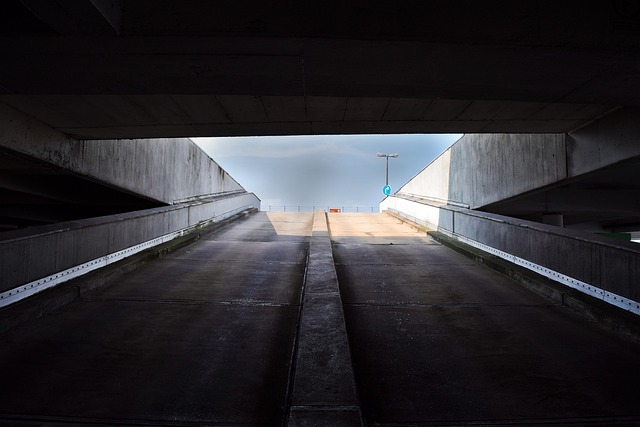
Evaluating the need for resurfacing your concrete driveway or sidewalk is a crucial step in maintaining your property's value and safety. Over time, these structures can become damaged due to various factors such as heavy traffic, extreme weather conditions, and the natural process of wear and tear. In the case of concrete walkways paving Wimberley naturally, it is essential to recognize signs of deterioration early on. Cracks, chips, uneven surfaces, and scaling are all indicators that a resurface may be required.
A comprehensive assessment involves examining the extent of damage, considering structural integrity, and evaluating the overall aesthetic appeal. For example, data from industry surveys reveals that approximately 70% of homeowners in urban areas opt for concrete resurfacing every 10-15 years to maintain curb appeal. This process not only improves the visual aspect but also provides a safer walking surface, preventing trips and falls. In regions with harsh winters, regular maintenance can extend the lifespan of your pavement by protecting against frost heaves and other weather-related damages.
Practical insights for homeowners include keeping an eye out for signs of damage and performing routine inspections. Regular cleaning and sealing can significantly delay the need for resurfacing. Consulting with a professional contractor is also recommended, as they can provide expert advice tailored to your specific needs. For instance, a contractor might suggest a thin overlay to fill minor cracks and imperfections, or a complete removal and replacement if the damage is severe. Ultimately, prioritizing concrete driveway and sidewalk resurfacing ensures a well-maintained exterior space that enhances your property's value and provides a safe passage for years to come.
Selecting Natural Concrete Walkway Paving Options in Wimberley

In Wimberley, selecting natural concrete walkway paving options offers a unique blend of aesthetics and durability for both driveways and sidewalks. This approach aligns with the area's appreciation for organic landscapes and rustic charm. Natural concrete paving is not merely a trend; it's a sustainable and low-maintenance alternative to traditional asphalt or brick. For instance, local properties in Wimberley have successfully adopted these options, showcasing beautiful, long-lasting results that enhance curb appeal without compromising strength.
The process involves using natural aggregates like river rocks, gravel, or crushed stone mixed into the concrete, replacing a portion of the typical aggregate. This method not only contributes to reduced environmental impact but also creates visually appealing patterns and textures. For example, a homeowner in Wimberley opted for a mix of locally sourced granite and limestone, resulting in a driveway that mirrors the region's geological diversity while providing exceptional strength. It's recommended to consult with experienced contractors who understand local regulations and can guide clients on suitable mixtures for various applications.
Implementing natural concrete walkway paving in Wimberley requires careful planning and expert installation. Property owners should consider factors like foot traffic, climate, and desired maintenance level when selecting a mix. Additionally, choosing locally sourced materials can contribute to reduced carbon footprints, aligning with sustainable practices. With proper care, these pavings can last for decades, making them a wise investment. Regular cleaning, sealing, and minor repairs will ensure their longevity, allowing homeowners to enjoy the beauty and durability of their natural concrete walkways well into the future.
Step-by-Step Guide to Effective Concrete Resurfacing Techniques
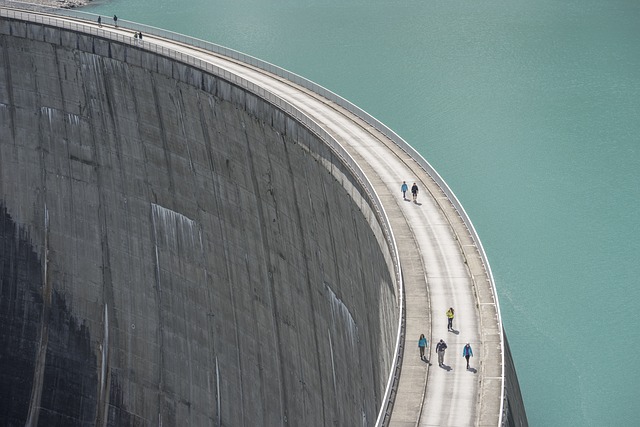
Resurfacing concrete driveways and sidewalks not only enhances the aesthetic appeal of your property but also increases its longevity. This step-by-step guide delves into effective concrete resurfacing techniques, providing homeowners with a practical approach to this DIY project.
First, prepare the surface by cleaning away debris, oil, and stains using a pressure washer. This initial step is crucial as it ensures that the new coating adheres properly. Once the concrete is clean, repair any cracks or holes using a concrete patching compound. Allow these repairs to set completely according to the manufacturer's instructions. Next, apply an elasticized polymer sealer to the entire surface. This not only fills in remaining imperfections but also provides a protective barrier against moisture and UV damage.
After the sealer has cured, it’s time for the resurfacing process. One popular method involves using a concrete overlayment, such as a thin layer of polymeric concrete or a thickener. These products are easily applied with a trowel and level out the surface, creating a smooth base for subsequent coatings. For example, in Wimberley, naturally occurring concrete walkway paving has been successfully revitalized using these techniques, transforming worn paths into charming, durable features.
Finally, add a topcoat of your choice—a high-performance polyurethane, epoxy, or stain. These finishes offer varying levels of durability and aesthetic appeal, allowing you to customize the look to match your property’s unique character. Regular maintenance, including cleaning and resealing every few years, will ensure your resurfaced concrete remains in excellent condition for many years to come.
By evaluating concrete driveway and sidewalk resurfacing needs, selecting natural concrete walkway paving options tailored to Wimberley's unique conditions, and mastering effective resurfacing techniques, homeowners can enhance their properties' curb appeal and longevity. The article equips readers with the knowledge to make informed decisions regarding Concrete walkway paving Wimberley naturally, ensuring long-lasting, aesthetically pleasing results. Key takeaways include understanding local climate and traffic patterns, choosing suitable natural pavers, and employing proven resurfacing methods for a successful transformation.
About the Author
Meet Robert Johnson, a seasoned Concrete Specialist with over 25 years of experience in driveway and sidewalk resurfacing. Certified by the National Concrete Association, Robert is renowned for his expertise in restoring outdoor spaces. He has authored numerous articles on concrete care for leading home improvement publications and is an active member of the American Concrete Contractors Association. His work exemplifies superior craftsmanship and client satisfaction.
Related Resources
1. The Home Depot (Home Improvement Retailer): [Offers comprehensive guides and step-by-step videos for DIY driveway and sidewalk resurfacing projects.] - https://www.homedepot.com/c/driveway-resurfacing
2. National Asphalt Paving Association (NAPA) (Industry Organization): [Provides industry insights, best practices, and resources related to asphalt paving, including resurfacing techniques.] - https://www.asphaltpaving.org/
3. How to Fix a Concrete Driveway (Online Tutorial): [A detailed DIY tutorial with images and instructions for repairing and resurfacing concrete driveways and sidewalks.] - https://www.thisoldhouse.com/how-to/fix-a-concrete-driveway
4. U.S. Environmental Protection Agency (EPA) (Government Portal): [Offers guidelines and regulations regarding the environmental impact of asphalt and concrete resurfacing, ensuring sustainable practices.] - https://www.epa.gov/asphalt-paving
5. The Concrete Network (Industry Publication): [Features articles, news, and technical resources for the concrete industry, including advancements in resurfacing technologies.] - https://www.theconcretenetwork.com/
6. University of Minnesota - Concrete Research (UMn) (Academic Study): [Presents research findings and case studies on various concrete repair and resurfacing methods, offering scientific insights.] - https://www.ce.umn.edu/research/concrete-research/
7. Local City Planning Department (Community Resource): [Provides local codes, permits, and guidelines for driveway and sidewalk construction, including resurfacing regulations.] - Check your city's official website under the public works or planning department section.