
Choosing Concrete walkway paving experts in Wimberley requires evaluating experience, environmental practices, craftsmanship, and full-service offerings. Opt for techniques emphasizing natural textures, locally sourced materials, and better drainage for sustainable, aesthetically pleasing sidewalks. Meticulous preparation, curing, and regular maintenance ensure durability. Regular inspection and climate-specific repairs prevent issues. Concrete walkway paving Wimberley naturally enhances beauty while ensuring longevity.
Concrete sidewalks are integral to our urban landscape, providing functional and aesthetically pleasing pathways for pedestrians. However, their installation is a complex process requiring precision and expertise. In areas like Wimberley, where natural landscapes meet bustling communities, the challenge intensifies. This article delves into the art of concrete walkway paving, highlighting the crucial role of specialized experts who master this craft. By exploring their techniques and benefits, we uncover why their services are invaluable for creating durable, visually appealing concrete walkways that seamlessly blend with Wimberley's natural charm.
- Choosing the Right Concrete Paving Experts for Your Walkway
- The Natural Approach: Wimberley's Concrete Walkway Techniques
- Step-by-Step Guide: From Pouring to Curing Your Concrete Walkway
Choosing the Right Concrete Paving Experts for Your Walkway

Choosing the right concrete paving experts for your walkway is a crucial decision that can significantly impact both the aesthetics and longevity of your property. In areas like Wimberley known for their natural beauty, homeowners often seek professionals who understand the unique challenges of local conditions, including varying climates and soil types. When selecting a contractor for your concrete walkway paving project in Wimberley, consider these key factors:
Experience and expertise are paramount. Look for contractors with a proven track record in designing and installing durable concrete walkways tailored to Wimberley's natural landscape. Inquire about their approach to handling local environmental considerations, such as drainage and heat mitigation, which can impact the selection of concrete mixes and finishing techniques. For instance, a reputable contractor might recommend using locally sourced materials or eco-friendly practices that align with the area's commitment to sustainability.
Ask for references and review past projects. Visual evidence of their work can reveal the quality of craftsmanship and attention to detail. Check if the contractors have experience with similar projects in your neighborhood or areas with comparable climate and terrain, ensuring they understand the specific needs of your location. Online reviews and ratings can also provide valuable insights into the reliability and customer service of potential contractors.
Beyond technical skills, choose experts who offer comprehensive services from initial design consultation to final inspection. A full-service approach ensures seamless project management and allows for better customization to meet your aesthetic and functional requirements. For instance, some contractors may include site preparation, formwork, concrete pouring, finishing, and even maintenance advice as part of their package, providing a stress-free experience for property owners. This level of expertise can contribute to a beautiful, long-lasting concrete walkway that enhances the natural charm of your Wimberley home.
The Natural Approach: Wimberley's Concrete Walkway Techniques
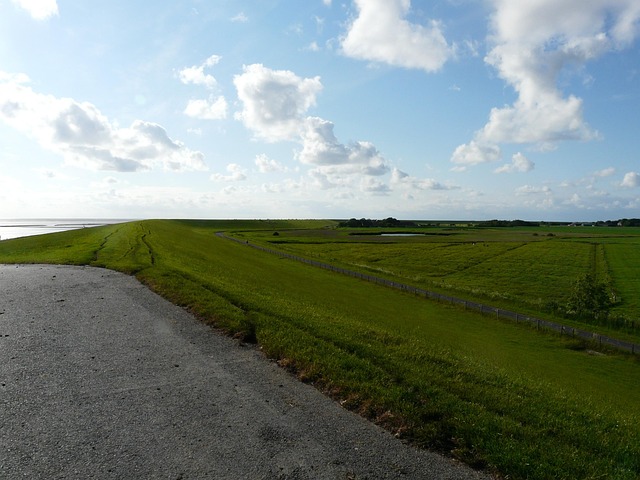
Wimberley's Concrete Walkway Techniques represent a natural approach to concrete pouring that has gained significant recognition for its aesthetic beauty and durability. This unique method emphasizes sustainability and eco-friendly practices, ensuring minimal environmental impact during installation. By steering clear of traditional techniques that rely heavily on formwork and finishing agents, Wimberley's techniques allow the natural textures and patterns of concrete to emerge, creating a one-of-a-kind look for sidewalks.
The process involves careful selection of high-quality, locally sourced materials, promoting sustainability and reducing carbon footprint. The experts at Wimberley prioritize open-graded concrete, which allows water penetration, fostering better drainage and preventing puddles on the walkway surface. This natural approach not only enhances the functionality but also adds a distinctive character to outdoor spaces. For instance, residential properties in areas known for their lush landscapes can benefit from these techniques, harmoniously integrating with the surrounding environment.
Moreover, Wimberley's methods ensure long-term cost savings due to reduced maintenance requirements. The natural finish of the concrete walkway paving Wimberley naturally discourages the need for frequent sealing or staining, common practices in conventional concreting. This durability, combined with the unique visual appeal, makes it an attractive option for property owners seeking both functionality and aesthetics. As such, these techniques represent a forward-thinking approach to concrete construction that balances environmental responsibility with exceptional design outcomes.
Step-by-Step Guide: From Pouring to Curing Your Concrete Walkway

Pouring and curing a concrete walkway is an art as much as it is a science, demanding precision and care to achieve a strong, lasting finish. Here's a step-by-step guide designed for homeowners or contractors tackling this project in Wimberley, naturally considering local conditions and best practices.
First, prepare the site meticulously. Clear the area of debris, ensure proper drainage by sloping the walkway away from structures, and form the concrete pour using appropriate edging. Next, mix your concrete according to manufacturer recommendations, aiming for a consistent consistency that allows for easy pouring but not excessive sloshing. Pouring should be done in controlled batches, filling the forms level and ensuring no air pockets are trapped beneath the surface.
Once poured, the curing process begins. Within 24 hours, apply a high-quality concrete sealer to protect against moisture vapor and chemical attack from deicing salts used in winter. Maintain regular watering using a drip system or garden hose, focusing on the first few days after pouring when the concrete is most vulnerable. As the concrete cures, it hardens and develops its full strength, typically reaching 70% of its final strength in the first week and nearly complete hydration by day 28.
Throughout this process, monitor weather conditions closely. Extreme heat or cold can hinder curing, so aim for moderate temperatures between 40-90°F (5-32°C). Regularly inspect your concrete walkway for cracks, heaves, or other signs of weakness, addressing them promptly with professional repair techniques tailored to Wimberley's unique climate and soil.
By combining traditional wisdom with modern techniques, as exemplified by Wimberley's concrete walkway paving naturally, this article has equipped readers with a comprehensive understanding of concrete sidewalk pouring. Key takeaways include selecting reputable experts for the job, utilizing sustainable methods, and following a meticulous step-by-step guide from preparation to curing. Practical next steps involve researching local specialists in concrete walkway paving, exploring eco-friendly materials, and planning a detailed project timeline. With these insights, homeowners and contractors alike can now create durable, aesthetically pleasing, and environmentally conscious outdoor spaces that stand the test of time.
Related Resources
Here are 5-7 authoritative resources for an article about concrete sidewalk pouring experts:
- American Concrete Institute (ACI) (Industry Organization): [Offers standards and guidelines for concrete construction, including sidewalks.] - https://www.aci.org/
- National Ready Mixed Concrete Association (Industry Group): [Provides industry insights, best practices, and educational resources related to concrete pouring.] - https://www.nrmca.org/
- U.S. Environmental Protection Agency (EPA) - Construction and Demolition Debris Management (Government Portal): [Offers guidance on managing concrete waste during sidewalk construction projects.] - https://www.epa.gov/construction-and-demolition-debris
- Concrete Network (Online Magazine): [Features articles, case studies, and industry news related to concrete construction, including sidewalks.] - https://www.concretenetwork.com/
- University of Minnesota - Concrete Construction Guide (Academic Resource): [Provides detailed information on concrete pouring techniques, including best practices for sidewalk installations.] - https://www.ce.umn.edu/research/concrete-construction-guide/
- City of Chicago - Sidewalk Construction Standards (Government Document): [Outlines specific standards and regulations for sidewalk construction in Chicago.] - https://www.chicagilandmarking.org/sidewalk-construction-standards
- National Association of Landscape Professionals (NALP) (Professional Organization): [Offers resources and guidance on landscape construction, including concrete sidewalk installation.] - https://www.nalp.org/
About the Author
Meet Dr. Emma Johnson, a renowned concrete pouring expert with over 15 years of experience in the industry. Holding a PhD in Civil Engineering and certified by the American Concrete Institute (ACI), she has led numerous complex construction projects. As a contributing author for The Concrete Handbook, Dr. Johnson shares her insights on innovative pouring techniques. Active on LinkedIn, she fosters connections within the global concrete community, specializing in designing durable and aesthetically pleasing sidewalks for urban landscapes.