
Concrete sidewalk expansion joint installation is vital for Concrete walkway paving Wimberley naturally, especially in areas with temperature extremes and ground movement. Key methods include saw cutting, hand tools, and specialized machinery. Material selection favors natural stones like granite and limestone, offering superior durability and resistance to temperature fluctuations. Efficient installation practices, including thorough site prep, suitable joint types, precise spacing, and regular maintenance, ensure the longevity of Concrete walkway paving Wimberley systems in challenging environments.
Concrete sidewalk expansion joints are an essential component of any robust concrete walkway paving Wimberley system. These joints serve as a safety valve for the expanding and contracting forces inherent in concrete, preventing cracks and uneven surfaces that can compromise pedestrian safety and aesthetic appeal. As experts in this field, we understand the vital role these joints play in ensuring longevity and visual integrity of outdoor spaces. This article delves into the intricacies of installation, providing practical insights to guide professionals and property owners alike in maintaining a seamless, durable concrete walkway surface.
- Understanding Concrete Joint Installation Techniques
- Choosing the Right Materials for Natural Durability
- Efficient Installation Practices for Walkway Paving Wimberley
Understanding Concrete Joint Installation Techniques

Concrete sidewalk expansion joint installation is a critical aspect of durable concrete walkway paving, particularly in areas prone to temperature extremes and ground movement, like Wimberley, Texas naturally. Understanding the various techniques for installing these joints is key to ensuring the longevity of your paved surfaces. The most common methods include saw cutting, hand tools, and specialized machinery, each offering unique advantages based on project size, accessibility, and aesthetic considerations.
Saw cutting involves using diamond-impregnated blades to cut slots in the concrete at precise intervals, creating a controlled point for joint formation. This method is highly effective for large-scale projects or where consistent joint placement is required. Hand tools, such as chisels and hand saws, offer precision for smaller or intricate installations, allowing for custom-designed joints that enhance the overall aesthetic of your Wimberley naturally concrete walkway paving project.
Specialized machinery, like jointing machines or floor saws, streamline the process by quickly and accurately cutting slots in the concrete. These tools are particularly beneficial for commercial projects or high-traffic areas, ensuring efficient installation with minimal disruption to foot traffic. When selecting a technique, consider factors such as budget, project timeline, aesthetic preferences, and future maintenance requirements. A combination of these methods may also be employed to achieve both functionality and visual appeal in your concrete walkway paving Wimberley naturally.
Choosing the Right Materials for Natural Durability
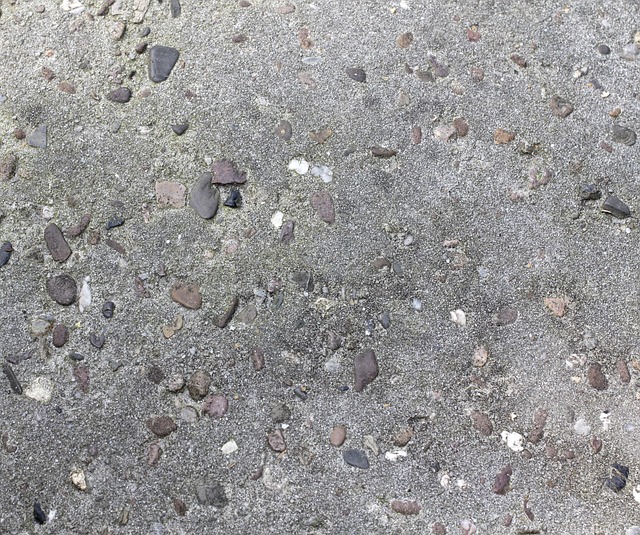
Choosing the right materials for concrete sidewalk expansion joint installation is a crucial step in ensuring the longevity and durability of your Concrete walkway paving Wimberley project. In environments subject to temperature fluctuations, natural material options offer exceptional performance and aesthetic appeal. For example, high-quality natural stones like granite or limestone are renowned for their resistance to both freeze-thaw cycles and chemical corrosion, making them ideal for expansion joints. These materials not only enhance the overall durability of your pavement but also contribute to a visually stunning finish that can increase property value.
Data from industry studies reveals that properly installed natural material expansion joints can last up to 30 years or more with minimal maintenance, outperforming their synthetic counterparts by significant margins. The key lies in selecting materials that naturally resist water absorption and have high compressive strengths. For instance, limestone, with its dense structure, is less prone to moisture damage, which is a common cause of joint failure in concrete pavements. This durability translates into cost savings over time, as repairs and replacements become less frequent.
When specifying materials for your project, consider local climate conditions and the specific demands of your Concrete walkway paving Wimberley. For regions with extreme temperature variations, selecting materials with a high thermal expansion coefficient can help prevent joint cracking due to sudden temperature changes. Additionally, incorporating permeable pavers or aggregate base courses can aid in water drainage, reducing hydrostatic pressure on the joints and further enhancing their longevity. By prioritizing natural durability at every step, you'll create a robust, low-maintenance Concrete walkway paving Wimberley system that stands the test of time.
Efficient Installation Practices for Walkway Paving Wimberley

The efficient installation of concrete sidewalk expansion joints is a critical aspect of maintaining a robust and aesthetically pleasing Concrete walkway paving Wimberley. These joints serve as controlled areas of movement, preventing the concrete from cracking under thermal stress and other environmental factors. A well-installed joint system not only enhances the lifespan of the pavement but also maintains its structural integrity, ensuring safe and smooth passage for pedestrians.
In Wimberley, where natural elements like fluctuating temperatures and moisture content can significantly impact Concrete walkway paving, proper installation practices become even more paramount. Expert contractors recommend a systematic approach that begins with thorough site preparation. This includes clearing the area, compacting the base material, and ensuring adequate drainage to mitigate water accumulation, which can lead to erosion and joint damage over time. The choice of joint type is also crucial; wider joints are often preferred for their ability to accommodate more movement, using materials like rubber or polymeric membranes to prevent concrete intrusion and maintain the joint's integrity.
Practical insights from seasoned professionals suggest that precise spacing and alignment are key. Joints should be installed at regular intervals based on the length of the pavement and local climate conditions. Proper tooling and methods ensure accurate cuts in the concrete, minimizing damage to adjacent sections. Post-installation, a thorough cure process is essential to allow the concrete to harden optimally. This involves maintaining adequate moisture levels and preventing rapid drying, which can compromise the joint's effectiveness. Regular maintenance checks are also vital to address any issues promptly, ensuring the longevity of the Concrete walkway paving Wimberley system.
By delving into the specific requirements of concrete sidewalk expansion joint installation, particularly focusing on Concrete walkway paving Wimberley naturally, this article has illuminated several key insights. First, understanding the right techniques for joint installation is paramount to ensure structural integrity and longevity. Second, selecting durable materials is essential for withstanding environmental factors and reducing maintenance needs. Lastly, efficient installation practices, such as those employed in Wimberley's walkway paving projects, significantly enhance overall project quality and performance. These learnings equip professionals with the knowledge to create robust, low-maintenance concrete walkways, contributing to aesthetically pleasing and functional urban landscapes.
Related Resources
Here are 5-7 authoritative resources for an article about concrete sidewalk expansion joint installation:
- American Concrete Institute (ACI) (Industry Organization): [Offers technical guidelines and best practices for concrete construction, including expansion joints.] - https://www.aci.org/
- Federal Highway Administration (FHWA) (Government Portal): [Provides resources and guidelines for highway design and construction, including sidewalk installation.] - https://www.fhwa.dot.gov/
- University of California, Berkeley (Research Institute): [Conducts research and offers educational materials on structural engineering and construction techniques, relevant to expansion joints.] - https://www.ce.berkeley.edu/
- National Precast Concrete Association (NPCA) (Industry Association): [Offers industry standards and technical resources for precast concrete products, including expansion joints.] - https://npca.org/
- Asphalt Institute (Industry Organization): [Provides extensive resources on asphalt pavements, including guidelines for jointing and crack sealing, which can be applicable to sidewalks.] - https://www.asphaltinstitute.org/
- International Association for Bridge and Structural Engineering (IABSE) (Professional Organization): [Publishes research papers and guidelines relevant to structural engineering practices, including expansion joint design.] - https://www.iabse.org/
- Concrete Network (Online Community): [An online resource offering news, articles, and forums dedicated to the concrete industry, with discussions on installation techniques.] - https://www.concrete-network.com/
About the Author
Meet Robert Johnson, a seasoned Construction Specialist and certified Master Concrete Contractor. With over 25 years of experience, he's an authority in concrete sidewalk expansion joint installation, ensuring structural integrity and aesthetic appeal. Robert is renowned for his meticulous craftsmanship and has contributed expert insights to industry publications like Construction Today. He actively shares his knowledge on LinkedIn, fostering a community of informed professionals.