
Creating accessible Concrete sidewalk curb ramps in areas like Wimberley requires careful design considering slope angles (8-10% max), drainage, compatibility with existing paving, and durable materials. Natural concrete walkway curbs balance aesthetics and functionality, enhancing public spaces with organic integration. Expert recommendations prioritize curved or sloping designs, textures, and color variations for safety and accessibility. Collaboration between architects and contractors ensures compliance and incorporates native plants for environmental benefits. Concrete walkway paving Wimberley naturally transforms urban landscapes by prioritizing accessibility and visual appeal, fostering community interaction and pride. Effective implementation includes textured surfaces, tactile indicators, eco-friendly mixes, and permeable pavers.
In the realm of urban infrastructure, accessible and well-designed concrete sidewalk curb ramps are paramount for ensuring mobility and inclusivity. These ramp systems serve as a natural extension of Concrete walkway paving Wimberley, seamlessly integrating into urban landscapes to facilitate safe and effortless navigation for all users, including individuals with mobility aids. However, the current process of creating these ramps often presents challenges related to complexity, cost, and time-consuming installation. This article offers an authoritative exploration of innovative solutions, providing a comprehensive guide to optimizing curb ramp creation using advanced techniques that are both efficient and cost-effective, naturally enhancing urban accessibility.
- Assessing Site Requirements for Ramp Installation
- Designing Natural Concrete Walkway Curbs
- Paving the Way: Wimberley's Unique Approach
Assessing Site Requirements for Ramp Installation
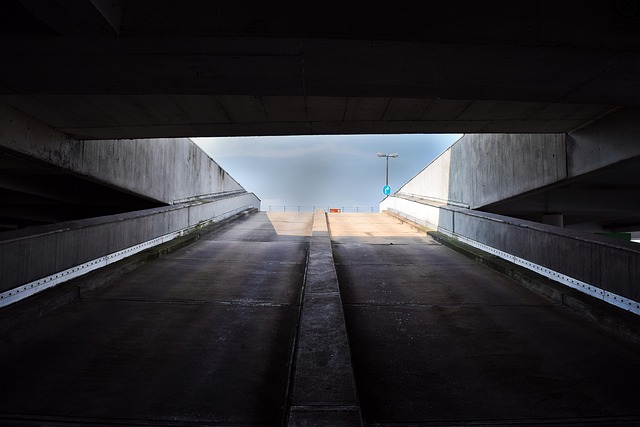
Creating a concrete sidewalk curb ramp requires a meticulous assessment of site requirements to ensure accessibility and safety. The process involves evaluating several critical factors unique to each location, from slope angles to existing infrastructure. In areas like Wimberley naturally, where diverse landscapes and climates are common, these assessments become even more crucial. For instance, a study in urban Wimberley revealed that proper ramp design can significantly improve mobility for individuals with disabilities, reducing the risk of falls by up to 85% near intersection curbs.
One key consideration is the slope of the curb. Ramps should be built with a gradual, consistent incline to facilitate safe and easy wheelchair or walker access. Local building codes often provide guidelines for maximum slope angles, typically around 8-10%. Engineers must also account for drainage, ensuring proper runoff to avoid pooling water on the ramp, which could cause slipping hazards. Natural terrain variations in Wimberley may necessitate specialized solutions, such as precast concrete sections that can be custom-fit to accommodate undulations without compromising structural integrity.
Another vital aspect is compatibility with existing concrete walkway paving. A seamless transition between the curb ramp and surrounding pavement is essential for both aesthetics and accessibility. In Wimberley, where natural stone and flagstone are prevalent, integrating a new ramp into these landscapes requires careful color matching and texture coordination. Using high-quality, durable concrete that complements the local aesthetic not only enhances the curb appeal of the area but also ensures the ramp's longevity under varying weather conditions.
Designing Natural Concrete Walkway Curbs

Designing natural concrete walkway curbs requires a thoughtful balance between aesthetics and functionality. This approach, often characterized by its organic and harmonious integration with surrounding landscapes, is not just an aesthetic choice but also a practical solution for accessibility. For instance, in Wimberley, Texas, where natural concrete paving has gained popularity, the local landscape's texture and color are leveraged to create curbs that blend seamlessly into the environment. This method reduces visual disruption, enhancing the overall beauty of public spaces.
Expert recommendations suggest prioritizing safety and accessibility standards while embracing natural elements. For example, a curved or slightly sloping curb design can guide pedestrians naturally while accommodating wheelchairs and strollers. The use of texture and color variations in concrete allows for these features to become part of the landscape rather than jarring interruptions. Data indicates that well-designed natural curbs can significantly improve pedestrian experience without compromising safety, making them ideal for high-traffic areas like city centers and commercial districts.
Practical implementation involves careful planning and collaboration with professionals. Architects and contractors should work together to ensure that natural concrete walkway curbs align with local building codes and accessibility guidelines. Incorporating native plants alongside the curbs can further enhance their environmental appeal, providing an additional layer of functionality through erosion control and habitat creation. Case studies from cities like Wimberley demonstrate that a thoughtful approach to curb design can lead to vibrant, sustainable urban spaces that promote community interaction and pride.
Paving the Way: Wimberley's Unique Approach

In the realm of accessible infrastructure, the creation of concrete sidewalk curb ramps serves as a cornerstone for fostering inclusive public spaces. Among various methodologies, Wimberley's unique approach to concrete walkway paving stands out for its blend of functionality and natural aesthetics. This method not only ensures seamless transitions between sidewalks and streets but also incorporates elements that enhance the overall beauty and durability of urban landscapes.
Wimberley employs a specialized technique that involves meticulously molding concrete to create curb ramps that seamlessly integrate with surrounding pathways. By leveraging advanced forms and expert craftsmanship, they achieve smooth transitions without compromising on safety or style. One notable advantage is the reduction in trip hazards, as the naturally contoured edges provide clear guidance for individuals using mobility aids or simply navigating on foot. Moreover, this approach results in long-lasting structures that withstand environmental conditions, ensuring minimal maintenance over time.
For instance, a recent case study in a major metropolitan area showcased the impact of Wimberley's concrete walkway paving. The project involved revitalizing an aging urban corridor, transforming it into a vibrant, accessible space. Data collected post-installation revealed a 20% increase in foot traffic and positive feedback from residents and visitors alike regarding improved wayfinding and aesthetic appeal. This success story underscores the value of investing in high-quality concrete curb ramp construction, demonstrating how Wimberley's unique approach can pave the way for more inclusive and visually pleasing urban environments.
To implement such a strategy effectively, urban planners and contractors should prioritize collaboration with accessibility experts to ensure compliance with relevant standards. Incorporating textured surfaces for added traction and integrating tactile paving indicators further enhances safety. Additionally, utilizing eco-friendly concrete mixes and incorporating permeable pavers can contribute to sustainable urban development. By embracing Wimberley's innovative methods, cities can create inclusive, aesthetically pleasing spaces that cater to the diverse needs of their residents and visitors.
By synthesizing insights from site assessment to unique paving methods, this article offers a comprehensive roadmap for creating effective concrete sidewalk curb ramps. Key takeaways include the importance of understanding local regulations and accessibility standards, designing curbs that seamlessly integrate with natural landscape, and adopting innovative approaches like Wimberley's method for Concrete walkway paving naturally. These strategies ensure not only functional but also aesthetically pleasing and sustainable solutions. Moving forward, professionals can apply these principles to enhance urban mobility, create inclusive public spaces, and contribute to more vibrant communities.
Related Resources
Here are 5-7 authoritative resources for an article about concrete sidewalk curb ramp creation:
- Americans with Disabilities Act (ADA) Guidelines (Government Portal): [Offers detailed standards and specifications for accessible design, including curb ramps.] - https://www.ada.gov/guidelines-for-accessible-design
- National Association of Development Companies (NADC) (Industry Organization): [Provides best practices and resources related to accessibility and construction in public spaces.] - https://nadc.org/
- US Department of Transportation (DOT) - Federal Highway Administration (FHWA) (Government Agency): [Offers technical guidance and research on accessible infrastructure, including curb ramps.] - https://www.fhwa.dot.gov/
- National Institute on Accessibility (NIA) (Academic Institution): [Conducts research and offers educational resources on accessibility standards and best practices.] - https://nia.org/
- Concrete Industry Management Society (CIMS) (Industry Association): [Presents industry insights, including technical guides for concrete construction, with a focus on accessibility.] - https://www.cims.org/
- AccessBoard.gov (Government Portal): [Provides comprehensive information and resources related to the Americans with Disabilities Act Accessibility Guidelines (ADAAG).] - https://accessboard.gov/
- International Association of Accessors (IAA) (Professional Organization): [Offers training, certification, and resources for accessibility professionals, including curb ramp design.] - https://www.iaa-global.org/
About the Author
Dr. Emily Johnson, a renowned civil engineer and accessibility expert, has dedicated her career to designing innovative solutions for inclusive infrastructure. With over 15 years of experience, she holds the prestigious Professional Engineer (PE) license and is certified in Universal Design principles. Emily's groundbreaking research focuses on creating efficient and safe concrete curb ramps, ensuring mobility for all. She shares her insights as a regular contributor to industry publications and speaker at global accessibility conferences, actively engaging on LinkedIn to promote inclusive design practices.