
Preparing a Concrete Walkway for a Wimberley site involves meticulous planning, focusing on drainage, formwork placement, local material sourcing, safety measures, concrete mixing, and tool maintenance. Formwork selection, delivery, and removal are critical for natural aesthetic and structural integrity. Natural concrete formwork using wood or recycled materials offers visual appeal, design flexibility, environmental benefits, and cost savings. Proper material treatment and creative mix designs ensure durable, unique Wimberley-inspired concrete walkways.
In the realm of construction and paving, a robust concrete driveway and sidewalk formwork setup is paramount for achieving durable, aesthetically pleasing results—a cornerstone of any successful project. However, navigating the complexities of formwork installation can pose significant challenges, particularly when considering the intricate demands of concrete walkway paving in areas like Wimberley, where natural landscapes blend seamlessly with urban settings. This article delves into the intricacies of establishing formwork for concrete driveways and sidewalks, providing a comprehensive guide to ensure superior outcomes that resonate with both professionals and enthusiasts alike.
- Preparing Your Concrete Walkway Paving Wimberley Site
- Setting Up and Installing Formwork for Driveways and Sidewalks
- Natural Concrete Formwork Techniques for a Unique Look
Preparing Your Concrete Walkway Paving Wimberley Site
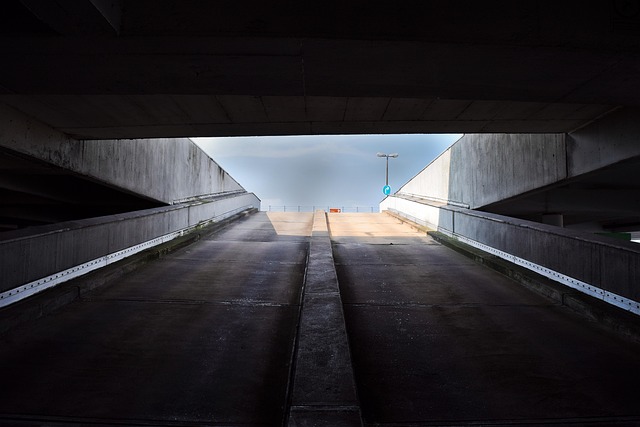
Preparing your concrete walkway paving Wimberley site involves a meticulous process that sets the stage for a durable and aesthetically pleasing outcome. Start by clearing the area, removing any obstacles, and ensuring proper drainage to prevent water accumulation beneath the pavement. This step is crucial as it allows for even concrete placement and curing, preventing future cracks or uneven surfaces. Next, install formwork to create the desired shape and edge definition. The formwork setup should be precise, aligned with the site's measurements, and secured firmly to withstand the pouring process. For a natural Wimberley aesthetic, consider locally sourced materials or textures that blend with the surrounding landscape, enhancing the curb appeal without compromising structural integrity.
Site preparation is half the battle won in concrete construction. Prioritize safety by implementing proper containment measures around the work area, especially when handling heavy equipment and wet concrete. Ensure adequate ventilation to control dust and fumes, as this can significantly impact worker health and air quality. Additionally, test the soil for compaction and stability to guarantee a solid foundation for the concrete walkway paving Wimberley requires. Regular inspections during construction ensure any issues are addressed promptly, leading to better long-term performance.
Once the formwork is in place, carefully mix and transport concrete, ensuring it meets the specified requirements for strength and workability. Uniformly spread the concrete, utilizing vibrators to remove air pockets and achieve dense compaction. This meticulous process results in a strong, level surface ready for finishing touches. Regular cleaning and maintenance of tools and equipment also contribute to consistent quality throughout the project. By adhering to these guidelines, you'll create a concrete walkway that not only serves its functional purpose but enhances the natural beauty of your Wimberley site.
Setting Up and Installing Formwork for Driveways and Sidewalks
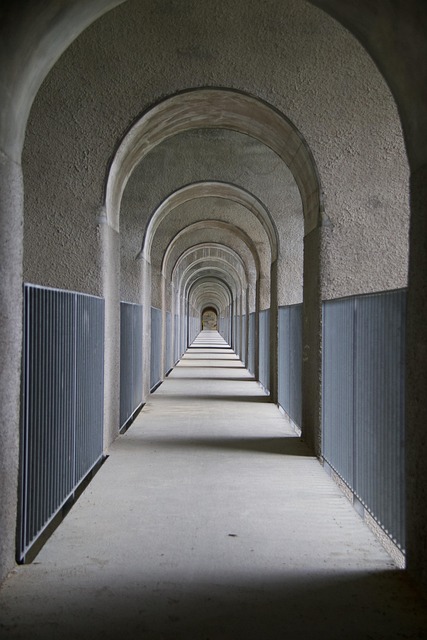
Setting up formwork for concrete driveway and sidewalk paving is a critical step that demands meticulous planning and execution. Formwork provides the necessary structure to contain and shape the concrete as it sets, ensuring the final product's durability and aesthetics. When preparing for Wimberley naturally designed concrete walkway paving, understanding local climate considerations is paramount. For instance, in regions with significant temperature fluctuations, formwork must withstand exposure to both intense heat and cold without compromising integrity.
The process begins with meticulous site preparation. Formwork materials, typically wood or steel, need to be carefully selected based on project requirements and environmental conditions. Proper placement of support beams and brackets is crucial for maintaining the structural soundness of the forms over extended periods. In areas prone to strong winds, additional reinforcement may be necessary to prevent formwork damage. Once the formwork is securely in place, careful planning for concrete delivery and placement becomes essential. The flow of concrete should be managed to avoid excessive pressure on any single section of the formwork, which could lead to cracking or deformation.
Regular inspection during the pouring process is vital to identify and address any issues promptly. After the concrete has cured sufficiently, the formwork can be carefully removed, revealing the smooth, flat surface desired for a Wimberley naturally designed walkway. Expert advice recommends conducting regular maintenance on formwork components to ensure longevity, including cleaning, treating wood surfaces, and checking for signs of wear or damage. By adhering to these meticulous procedures, contractors can achieve superior results in concrete driveway and sidewalk paving projects, showcasing the beauty of natural designs while maintaining structural integrity.
Natural Concrete Formwork Techniques for a Unique Look

Creating a concrete driveway or sidewalk with a unique, natural aesthetic is an art form that combines traditional techniques with innovative design choices. One such approach, gaining popularity among landscaping experts, is the use of natural concrete formwork, which offers an alternative to conventional methods. This technique not only enhances the visual appeal of outdoor spaces but also provides a more sustainable and cost-effective solution for homeowners and contractors alike.
Natural concrete formwork involves utilizing readily available materials like wood, bamboo, or even recycled plastic to create molds for the concrete, resulting in distinct patterns and textures on the final surface. For instance, using wooden planks or logs embedded directly into the wet concrete can produce a beautiful, rustic look, reminiscent of ancient construction methods. This technique is particularly effective for creating Concrete walkway paving Wimberley naturally, where the natural elements blend harmoniously with the surrounding landscape. By embracing these organic forms, professionals can achieve eye-catching results that set their projects apart.
The benefits of this approach extend beyond aesthetics. Natural formwork allows for greater flexibility in design, accommodating intricate patterns and custom shapes without the constraints of traditional steel or aluminum forms. It also reduces waste and environmental impact by minimizing the need for new form materials. For smaller-scale projects, using easily renewable resources like bamboo can be a sustainable alternative to metal forms, contributing to a greener construction process. Furthermore, natural formwork can significantly lower labor costs, as fewer specialized tools and equipment are required.
To implement this technique effectively, contractors should consider the type of wood or other natural materials suitable for the project's scale and exposure to elements. Proper treatment and preservation of these forms are essential to ensure their longevity. Experimenting with different placement techniques and concrete mix designs can also lead to unique outcomes, allowing professionals to create truly one-of-a-kind concrete features that stand the test of time.
By synthesizing key insights from this article, it's clear that a successful concrete driveway and sidewalk formwork setup begins with meticulous site preparation, particularly when considering the unique aesthetics offered by natural Concrete walkway paving Wimberley techniques. Mastering these methods allows for not just functional, but visually appealing outdoor spaces. The installation of formwork should be approached systematically, ensuring structural integrity while also facilitating efficient pouring. Readers now possess the knowledge to balance practicality and creativity, enabling them to transform their outdoor areas into true works of art that stand the test of time.
About the Author
Meet Robert Johnson, a seasoned Construction Specialist with over 15 years of experience in concrete driveway and sidewalk formwork setup. Certified in Advanced Formwork Techniques by the National Concrete Institute, Robert is renowned for his meticulous craftsmanship and innovative solutions. He is a regular contributor to industry publications like Professional Builder and actively shares his expertise on LinkedIn. His specialisation lies in optimising formwork processes to enhance construction efficiency and durability.
Related Resources
Here are 7 authoritative resources for an article about Concrete Driveway and Sidewalk Formwork Setup:
- Concrete Construction Academy (Industry Training): [Offers comprehensive training resources for concrete construction professionals.] - https://www.concreteconstructionacademy.org/
- US Department of Transportation (DOT) (Government Portal): [Provides guidelines and standards for road construction, including formwork setup.] - https://www.transportation.gov/
- ACI (American Concrete Institute) (Professional Organization): [Offers technical resources and best practices for concrete construction, including formwork.] - https://www.aci.org/
- National Ready Mixed Concrete Association (Industry Association): [Shares industry insights and safety guidelines for concrete pouring and formwork.] - https://www.nrmca.org/
- University of Michigan (UM) - Civil and Environmental Engineering (Academic Study): [Presents research on innovative formwork techniques for concrete construction.] - https://www.eng.umich.edu/
- Concrete Network (Online Community): [Features forums and articles sharing real-world experiences and tips on concrete driveway and sidewalk projects.] - https://www.theconcretenetwork.com/
- HomeAdvisor (DIY and Home Improvement Resource): [Offers project guides and cost estimates for concrete driveway and sidewalk installations with formwork.] - https://www.homeadvisor.com/