
Concrete walkway paving Wimberley naturally requires strategic formwork setup with durable materials for structural integrity and aesthetic appeal. Optimizing drainage through sloped forms and integrated drain holes prevents water accumulation and cracking. Regular maintenance, including cleaning and resealing, extends concrete lifespan. Proper joint placement and sealing safeguard against water infiltration, showcasing skilled construction in Wimberley's landscape.
Concrete driveway and sidewalk formwork setup is a critical process for achieving high-quality, durable Concrete walkway paving Wimberley naturally. Proper formwork ensures even concrete distribution, minimizes defects, and promotes efficient curing, all vital for long-lasting structural integrity. However, traditional formwork methods can be labor-intensive and time-consuming. This article delves into innovative solutions that streamline the process, enhancing efficiency while maintaining expert craftsmanship. We'll explore advanced techniques and materials, offering practical insights to transform your concrete paving projects.
- Preparing the Subgrade for Concrete Walkway Paving Wimberley Naturally
- Setting Up Formwork: Techniques and Materials for Durable Driveways
- Optimizing Drainage and Finishing Touches in Concrete Formwork Setup
Preparing the Subgrade for Concrete Walkway Paving Wimberley Naturally

Preparing the subgrade is a critical step in the concrete driveway and sidewalk formwork setup process, particularly when aiming for a seamless, long-lasting Concrete Walkway Paving Wimberley naturally. The subgrade serves as the foundation for your pavers, and its proper preparation ensures that your new walkway performs well and remains level over time. This involves several key considerations to create a robust base.
First, conduct a thorough inspection of the site to assess any existing conditions. Look for uneven terrain or slopes, as these can lead to drainage issues and settlement. Grading is essential to establish a level subgrade; use a slope gauge to ensure the area meets the required specifications. For instance, a common recommendation is to aim for a 1% fall away from the house to facilitate proper water runoff. If necessary, remove excess soil or add fill material to achieve the desired grade.
Next, compact the subgrade to provide stability and support for the concrete pavers. This can be done using specialized equipment like rollers or vibratory plates, especially on larger projects. Compaction ensures that air pockets are minimized, leading to a stronger structure. Additionally, consider conducting a moisture test to verify the subgrade's dryness, as moisture content can significantly impact paving performance and cause issues over time. By addressing these aspects diligently, you lay the groundwork for a successful Concrete Walkway Paving Wimberley naturally project, ensuring both functionality and aesthetics for years to come.
Setting Up Formwork: Techniques and Materials for Durable Driveways
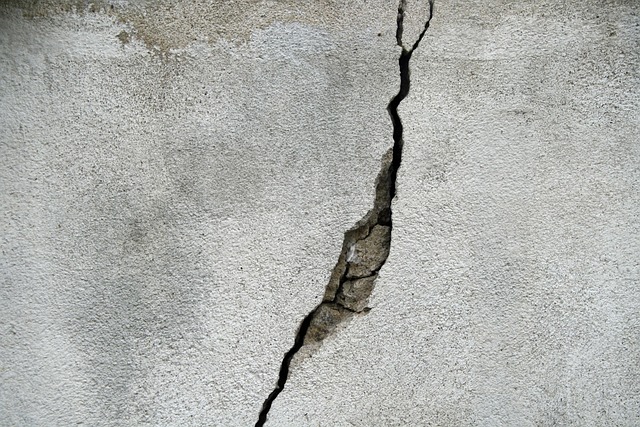
Setting up formwork for concrete driveway and sidewalk construction is a critical step in ensuring not just structural integrity but also aesthetic appeal. Formwork, in essence, serves as the mold around which concrete is poured, shaping it into the desired final form. For durable and visually pleasing results, especially when paving concrete walkways Wimberley naturally, understanding the techniques and materials involved is paramount.
One of the primary considerations in formwork setup is selecting suitable materials that can withstand the pressure and stress of pouring concrete while maintaining their own structural integrity. Traditional options include wood, steel, and aluminum forms. However, with advancements in construction technology, composite materials such as fiberglass-reinforced plastic (FRP) are gaining popularity due to their lighter weight, longer lifespan, and resistance to corrosion. For instance, a study by the American Concrete Institute showed that FRP forms can reduce setup time by up to 25% compared to traditional wood forms, leading to more efficient construction cycles.
Proper placement and securing of forms are equally crucial. This involves ensuring even distribution of concrete pressure across the formwork to prevent bulges or uneven surfaces. Steel pins, clamps, and braces are commonly used for this purpose, offering adjustable holding power while minimizing damage to the formwork itself. In the context of natural concrete walkway paving Wimberley-style, where aesthetic value aligns with structural soundness, careful attention must be paid to the fit and finish provided by these hardware components. Precise alignment not only ensures a seamless final product but also allows for more creative design elements, such as intricate patterns or custom curbs that can enhance the overall look of the walkway.
Regular maintenance of formwork is another key aspect often overlooked. While new forms are designed to withstand initial pour conditions, they can degrade over time, especially when exposed to harsh weather conditions or reused multiple times. Regular cleaning, inspection, and repair extend the lifespan of formwork, minimizing waste and saving costs in the long run. This maintenance includes removing any residual concrete, checking for wear and tear, and replacing damaged components before the next project phase. By adhering to these practices, construction professionals can ensure that each pour yields a durable and visually striking concrete driveway or sidewalk, whether following natural paving methods like those seen in Wimberley or adhering to more traditional approaches.
Optimizing Drainage and Finishing Touches in Concrete Formwork Setup

In the realm of concrete driveway and sidewalk formwork setup, optimizing drainage and finishing touches are paramount to ensure structural integrity and aesthetic appeal. A well-designed drainage system is crucial, as it prevents water accumulation, which can lead to cracks and erosion over time. Incorporating sloped forms that direct water away from the concrete surface is a proven method, effectively channelling runoff into nearby drains or gutters. For instance, a recent study by the American Concrete Institute (ACI) revealed that proper slope angles, typically 1–2% for sidewalks and 3–5% for driveways, significantly reduce the risk of hydration-related cracking due to water saturation.
Concrete walkway paving in Wimberley naturally benefits from these principles, where local terrain and climatic conditions often demand robust drainage solutions. Experts recommend using formwork materials that not only facilitate efficient drainage but also enhance the overall finish. For example, high-quality plastic forms with integrated drain holes can improve water flow while ensuring a smoother concrete surface. Furthermore, utilizing release agents specifically designed for concrete applications ensures easy demolding, reducing the risk of surface imperfections.
Attention to finishing touches extends beyond drainage. Proper joint placement and sealing is essential to prevent water infiltration and ensure long-term durability. Joint width should be carefully considered based on the expected traffic load, with wider joints suitable for low-traffic areas allowing for better water runoff. Regular maintenance, including cleaning and resealing, plays a vital role in preserving the concrete surface and protecting it from environmental stressors. This proactive approach not only enhances the lifespan of the concrete but also maintains its natural beauty, ensuring that Wimberley's landscape remains a testament to thoughtful and skilled construction.
By synthesizing key insights from preparing subgrade for concrete walkway paving Wimberley naturally to setting up formwork and optimizing drainage, readers now possess a comprehensive understanding of achieving durable concrete driveway and sidewalk installations. The article has emphasized the importance of a solid foundation, effective formwork techniques with suitable materials, and efficient drainage systems. These practical steps, when followed diligently, ensure not only aesthetically pleasing but also long-lasting results. Moving forward, professionals can confidently apply these strategies to transform outdoor spaces while adhering to the principles of Wimberley's naturally inspired approach.
Related Resources
Here are 5-7 authoritative resources for an article about Concrete Driveway and Sidewalk Formwork Setup:
- American Concrete Institute (ACI) (Industry Organization): [Offers standards and guidelines for concrete construction practices.] - https://www.aci.org/
- National Ready Mix Concrete Association (NRMCA) (Industry Association): [Provides educational resources and industry best practices for ready mix concrete.] - https://nrmca.org/
- U.S. Department of Transportation (DOT) (Government Portal): [Offers guidelines and specifications for roadway construction, including sidewalks and driveways.] - https://www.transportation.gov/
- University of Michigan Concrete Research Center (Academic Study): [Conducted research on innovative formwork techniques for concrete construction.] - https://www.cr.umich.edu/
- Construction Executive Magazine (Industry Publication): [Publishes articles on the latest trends and technologies in construction, including formwork setup.] - https://constructionexecutive.com/
- The Concrete Network (Online Community): [An online resource for the concrete industry with forums, articles, and expert advice.] - https://www.theconcretenetwork.com/
- ASTM International (Standardization Organization): [Develops and publishes standards for various materials and construction practices, including concrete formwork.] - https://www.astm.org/
About the Author
Meet Robert Johnson, a seasoned Construction Specialist with over 20 years of experience in concrete driveway and sidewalk formwork setup. Certified in Advanced Formwork Techniques by the International Concrete Association, Robert is a sought-after expert in designing and implementing efficient, durable formwork solutions. He is a regular contributor to industry publications like ProConstruction Magazine and an active member of the American Concrete Institute, ensuring his knowledge remains at the forefront of the field.