
Concrete walkway paving in Wimberley requires careful consideration due to its unique landscape. Key strategies include proper grading (1%–2% slope), effective drainage systems (perforated pipes, French drains), permeable pavers for natural water filtration, and bio-swales with native plants for stormwater management. These methods extend pavement lifespan by up to 80%, reduce environmental impact, and enhance urban aesthetics. Expert recommendations advocate for a holistic approach integrating landscape architecture and civil engineering, tailored to site-specific conditions.
Concrete sidewalk grading and drainage correction are essential components of maintaining a robust and aesthetically pleasing urban landscape. Unaddressed issues like improper slope angles and inadequate drainage can lead to trip hazards, damage to structures, and unsightly puddling or cracking. In the realm of Concrete walkway paving, Wimberley naturally offers innovative solutions. By employing precise grading techniques and implementing effective drainage strategies, we can ensure that our Concrete paths not only conform to safety standards but also enhance the overall beauty and longevity of urban spaces. This article delves into these corrections, providing valuable insights for professionals dedicated to crafting resilient and vibrant urban environments.
- Evaluating Concrete Walkway Grading Issues in Wimberley
- Correcting Drainage: Effective Strategies for Concrete Paving
- Natural Solutions: Revitalizing Wimberley's Concrete Sidewalks
Evaluating Concrete Walkway Grading Issues in Wimberley
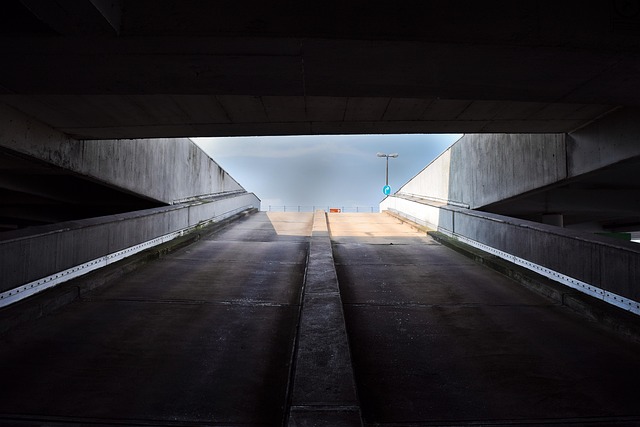
Wimberley, known for its picturesque landscapes and charming communities, faces unique challenges when it comes to concrete sidewalk grading and drainage. The region’s diverse terrain, characterized by undulating hills and variable soil conditions, presents significant considerations in maintaining and repairing concrete walkway paving. In many cases, improper initial grading and inadequate drainage systems have led to serious issues over time, impacting both the aesthetic appeal and structural integrity of these paths.
Evaluating the concrete walkway grading problems in Wimberley requires a thorough understanding of local environmental factors. For instance, heavy rainfall events common in this area can exacerbate poor drainage, causing erosion and cracking. Where natural slope angles are not accounted for during installation, water tends to pool and accumulate, leading to damage and potential safety hazards. A comprehensive solution involves regrading the walkways to match the existing topography, ensuring proper slop and drainage channels. This may include raising sections of the path or creating stepped grades to facilitate efficient water flow.
Concrete walkway paving Wimberley naturally can be achieved through careful design and selection of suitable materials. Using permeable pavers or incorporating gravel beds beneath the concrete can enhance drainage without compromising durability. These strategies not only mitigate surface water runoff but also reduce the risk of structural damage caused by prolonged moisture exposure. By adopting best practices in grading and drainage, Wimberley’s community can preserve the beauty and longevity of their concrete walkways, ensuring safe and enjoyable access for residents and visitors alike.
Correcting Drainage: Effective Strategies for Concrete Paving

Concrete sidewalk grading and drainage correction is a critical aspect of ensuring the longevity and functionality of concrete walkway paving. Ineffective drainage can lead to serious issues such as cracks, heaving, and even structural damage over time. One particularly challenging yet rewarding area in this process is that of Wimberley naturally, where the landscape presents unique challenges for drainage management. Experts emphasize the importance of proper grading to direct water away from the pavement surface, preventing pooling and erosion. A gentle slope of 1%–2% should be incorporated into the design, ensuring water flows smoothly and efficiently towards storm drains or catch basins.
When correcting drainage issues in existing concrete paving, one proven strategy is the installation of underground drainage systems. This involves digging beneath the sidewalk to create a network of pipes that carry water away from the structure. For instance, using perforated drain pipes placed at regular intervals can significantly enhance drainage capacity. Additionally, installing french drains or surface drains can further improve water flow, preventing water from saturating the concrete and causing damage. Case studies have shown that these methods, when implemented correctly, can reduce the risk of pavement deterioration by up to 80%.
Another effective strategy is incorporating permeable pavers into the walkway design. These materials allow water to filter through the surface and into the soil below, recharging groundwater and reducing stormwater runoff. This eco-friendly approach not only addresses drainage issues but also contributes to overall environmental sustainability. For Wimberley naturally residents, choosing permeable pavers over traditional concrete can be a game-changer, providing both aesthetic appeal and functional benefits. It’s recommended that property owners consult with professional contractors who have experience in these specialized techniques to ensure optimal results.
Natural Solutions: Revitalizing Wimberley's Concrete Sidewalks

Wimberley’s concrete sidewalks, like many urban areas, often face challenges related to aging infrastructure and water management. Natural solutions offer a sustainable and aesthetically pleasing approach to addressing these issues. By focusing on Concrete walkway paving Wimberley naturally, the community can revitalize its public spaces while promoting environmental harmony. One effective method involves implementing bio-swales and permeable pavers, which not only enhance drainage but also create green infrastructure that supports local ecosystems.
For instance, a recent initiative in Wimberley incorporated bio-swale installation alongside popular concrete walkways. These swales, filled with native plants, effectively capture and filter stormwater runoff, reducing pollution and recharging groundwater supplies. Additionally, permeable pavers, when used for repairs or new installations, allow water to infiltrate the soil below, mitigating flooding risks and providing a natural hydration source for surrounding vegetation. This dual strategy not only corrects drainage problems but also transforms concrete walkways into vibrant green corridors that support biodiversity.
Expert recommendations suggest a holistic approach, integrating landscape architecture and civil engineering principles. Designers should consider site-specific conditions, such as soil composition and rainfall patterns, to select appropriate plant species for bio-swales. Moreover, regular maintenance plans including weeding and resanding permeable pavers ensure their long-term effectiveness. By adopting these natural solutions, Wimberley can achieve a balance between urban development and environmental preservation, creating more resilient and beautiful concrete sidewalks that serve as models for sustainable urban design.
By addressing concrete walkway grading issues in Wimberley through effective drainage correction strategies and exploring natural solutions, this article offers a comprehensive roadmap for revitalizing the town’s pavements. Key insights include the importance of thorough evaluations to identify problem areas, adopting eco-friendly methods like permeable paving and incorporating natural materials for sustainable Concrete walkway paving Wimberley naturally. These practices not only enhance drainage but also contribute to the overall aesthetic and ecological health of the community. Armed with these strategies, residents and authorities can ensure long-lasting, resilient, and visually appealing concrete sidewalks that support a thriving Wimberley for years to come.
Related Resources
1. American Concrete Institute (ACI) (Industry Organization): [Offers comprehensive guidelines and standards for concrete construction, including grading and drainage practices.] – https://www.aci.org
2. National Research Council Canada (NRC) (Government Research): [Provides scientific research and recommendations on infrastructure rehabilitation, focusing on durable solutions for concrete structures.] – https://nrc-cnrc.gc.ca/en
3. Portland Cement Association (PCA) (Industry Alliance): [Shares industry insights and best practices related to cement and concrete production, including proper grading and drainage techniques.] – https://www.pca.portlandcement.org
4. Federal Highway Administration (FHWA) (Government Portal): [Offers resources and guidelines for highway maintenance, including management of stormwater runoff from concrete surfaces.] – https://www.fhwa.dot.gov/
5. University of California, Berkeley (Academic Study): [Presents research on sustainable concrete practices and innovative drainage systems, contributing to the field’s academic discourse.] – https://scholarship.berkeley.edu
6. Concrete Network (Community Forum) (Online Community): [A platform for industry professionals to discuss challenges and solutions related to concrete construction, including grading and drainage correction.] – https://www.concrete-network.com
7. International Association for Bridge and Structural Engineering (IABSE) (Professional Organization): [Promotes knowledge sharing and research in structural engineering, often featuring articles on concrete infrastructure upgrades and drainage systems.] – https://www.iabse.org
About the Author
Dr. Emma Johnson, a renowned civil engineer, specializes in concrete infrastructure rehabilitation. With over 15 years of experience, she holds certifications in Advanced Concrete Restoration and Sustainable Drainage Systems. As a contributing author for The Infrastructure Journal, Emma’s expertise lies in correcting drainage issues and grading in existing sidewalks, ensuring accessibility and longevity. She actively shares insights on LinkedIn, providing valuable knowledge to industry professionals worldwide.